Sports photo culling: peak action, and the athlete who matters
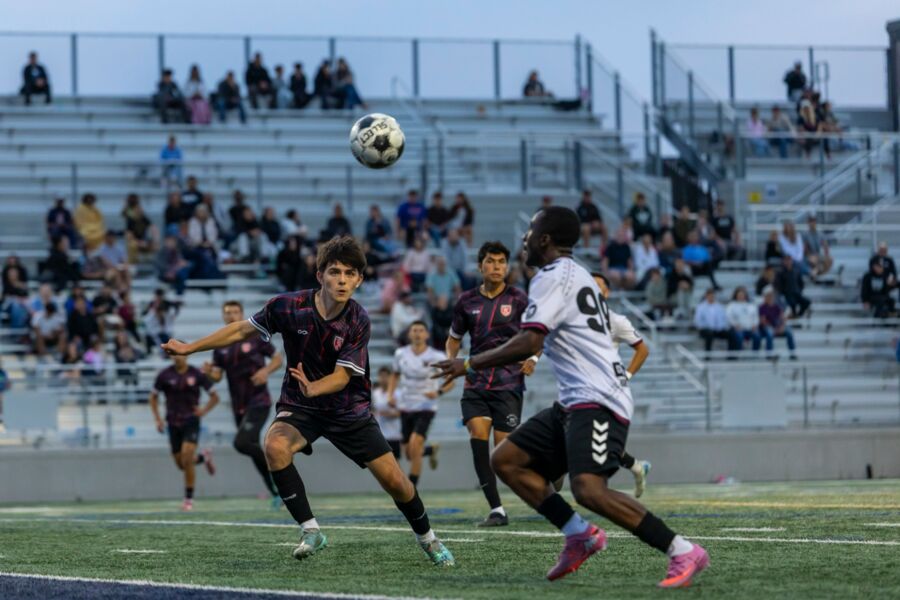
Sports is the one genre where a technically perfect frame can be worthless and a slightly soft one can be the picture of the season. The card is huge, the deadline is tonight, and the thing that decides a frame is rarely sharpness. It is peak action, the ball, and whether the person in the picture is the person somebody is paying for.
Work out who the pictures are for before you open the folder
Our general guide to sports and event triage covers the shape of the job: bursts, deadlines, a hero set on the night. This piece goes at the part that is specific to sport, and it starts with a question that changes everything about how you select.
Who is buying?
There are usually three answers and they want three different galleries. A picture desk wants the story of the result, told in about six frames, with names attached. A club or school wants proof that the season happened and material for next year's marketing. Parents want their own child, and nothing else in the folder has any value to them at all.
Only the first of those is a best-of. The other two are coverage jobs wearing a best-of costume. Select a school game the way you would select a wedding, hunting for the strongest images, and you can produce an excellent gallery in which six children on the roster do not appear. Those six families are the only feedback you will get.
So the question you ask of each frame is not just is this good. It is whose frame is this, and do I have them yet.
Peak action means something different in every sport
Inside a burst, the frames are hundredths of a second apart and every one of them looks like sport. Only one or two are the moment. Peak action is almost always contact or full extension, and knowing exactly where that falls in your sport is what lets you scan a burst in three seconds instead of thirty.
| Sport | The frame that pays | The near miss beside it |
|---|---|---|
| Soccer | Foot striking the ball, or the header at contact, body stretched | Running with the ball at the feet, nothing happening yet |
| Basketball | Ball leaving the hand at the top of the jump, or the block at contact | Dribbling upright at midcourt, defender not in the frame |
| Football | Hands closing on the ball, or the instant of the hit | The pile afterward, faces buried in it |
| Baseball and softball | Bat meeting ball, the release off the mound, dust on the slide | Mid windup, or a follow through with the ball long gone |
| Hockey | The shot at contact, ice spraying on a hard stop, puck visible | Skating in a straight line, stick nowhere near the puck |
| Track and field | The lean at the line, the last stride before the bar, effort on the face | Mid pack, mid stride, no strain and no separation |
| Swimming | Head turned out for the breath with the eyes visible, or the start off the blocks | Submerged, which is the back of a cap and some water |
| Volleyball and tennis | Hand or strings on the ball, blockers up behind it | Follow through, ball already out of frame |
Two things follow. First, judge the contact point, not the whole frame. In a thumbnail grid, the frame before contact and the frame at contact look identical, so zoom to the hands, feet or bat and let that decide. Second, do not stop selecting at the whistle. The celebration and the reaction right after often sell better than the action itself, because they carry a face.
The ball rule, and the three times you break it
The default is simple and it is the fastest single filter in sports selection. If the ball is in play, the ball should be in the frame. An action shot with the ball just outside the edge reads to a non photographer as a mistake, no matter how good the body position is.
Two refinements while you are scanning. A ball clipped by the frame edge is worse than no ball at all, because the eye goes straight to it. And a ball sitting directly over a face is a reject even when the moment is perfect. Motion blur on the ball is fine and often looks better. Motion blur on the face is not.
The rule has real exceptions, and knowing them stops you leaving good work behind:
- Reaction frames. After the goal, after the miss, after the final whistle. Nobody looks for the ball in a picture of a face.
- The eyes point at it. If your subject is clearly tracking something out of frame, the viewer completes the line and the frame works. This is the one exception that needs your judgment rather than a rule.
- Portrait moments. The goalkeeper set before a corner, the pitcher between deliveries, a runner alone on the back straight. These are pictures of a person, and they are often the ones a club uses on a poster.
Select against the roster, not against the pile
This is the technique that separates people who sell sports galleries from people who deliver them. Do not pick the best frames and hope the coverage falls out. Do the coverage first, deliberately, then improve it.
Pass one: fill the sheet
Write the jersey numbers down the side of a page, or a note on your phone. Work through the card and the moment a number gets one usable frame, tick it. You are not judging quality yet, you are filling gaps. It is fast, because most frames answer instantly: number 14 again, already have him, next burst.
Pass two: make it good
Now go back for the frames that actually sing, and be as picky as you like. The floor is already covered, so this pass is upside rather than obligation, and you can stop the moment you run out of time without leaving anyone out.
Two practical notes. Bench players matter more than their minutes suggest, because the family of the child who played eight minutes is the family most likely to buy the only good picture of them. And if you cannot read a number anywhere in a burst, mark it unknown rather than guessing, since a wrong name is worse than no name. Size the set by coverage rather than by a round number: our guide to how many photos to deliver is a sanity check, but in sport the honest answer is every athlete, then everything worth keeping.
The frames that pass every technical check and still fail
Sports is full of images that are correctly exposed, perfectly sharp and completely unusable. Knowing these patterns is what stops you trusting a focus check and shipping a bad set.
- Autofocus locked onto the wrong player. The frame is tack sharp, on the defender's shoulder, while your subject is soft behind it. Any sharpness measure calls this a good frame. Only you can see it is the wrong body.
- The face is occluded. A teammate's arm, an official, a helmet brim, a lane rope. The athlete is in the frame and identifiable to nobody.
- Banding under indoor lighting. Gyms and pools lit by cheap LED or fluorescent fixtures flicker faster than the eye sees, and at high shutter speeds you get a green or magenta band across some frames of a burst and not others. It is not a hardware fault and it is not fixable in post. Scan for color shifts across a burst, not just for focus.
- Deliberate motion blur. Panning at a slow shutter is a technique, and a well panned frame with a soft background will be scored as blurred by anything measuring overall sharpness.
So the order you check in matters. Right subject, face visible, number readable, then sharpness. Getting that order backwards is how you end up with a beautiful gallery of the wrong people. There is more on this in why your best photo is not the sharpest one.
Filing the same night is a question of order, not effort
The hero set and full gallery split is covered in the general triage piece, so here is the part that only applies to sport: the result changes what your frames mean, and it does it retroactively.
A goal in the twelfth minute is a routine picture until it turns out to be the winner. A substitution is nothing until the player who came on decided the game. A challenge in the first half becomes the story of the night when it produces a red card or an injury. None of that is knowable while you are shooting it.
Which gives you a simple rule: do not make your final selections before the game ends. Flag generously during breaks, then decide once you know what happened. When the whistle goes, work in this order.
- The moments that decided the result. One frame each, and the reaction that followed.
- The named people. The star, the captain, the coach, whoever the local coverage will be about.
- Everything else. The coverage pass, done properly, tomorrow.
Items one and two are usually thirty frames and forty minutes, and they are what gets used tonight. Agree the two deadlines in writing beforehand so that tonight means the short set. If speed is what wins you the rebooking, and in this genre it usually is, our piece on what clients expect on delivery speed is worth reading before you quote your next season.
Four minutes of work at the game that saves an hour at the desk
Almost all of the speed in sports selection is bought during the game, not after it.
- Shoot a roster sweep in the warmup. Every player, number visible, before anything is at stake. It is not art and most of it will not be picked, but it is insurance: if number 9 never touches the ball, you still have a frame of number 9.
- Photograph the team sheet. Both teams, plus the scoreboard at the start of each period. Those frames are separators in the timeline and a spelling reference at midnight.
- Note the clock on the big moments. A voice memo saying twenty three minutes, corner, header is enough to find the right burst by timestamp instead of scrolling.
- Flag in the breaks, not at home. Half time and between innings are free minutes. One flag while the moment is fresh beats a five point rating scale here, which is the argument made in full in star ratings versus flags.
The names matter as much as the pictures. Anything going to a paper or a club communications team needs who, what, where, when and your credit written into the file metadata rather than the email body, or it gets passed over for a weaker frame that arrived labeled. Our metadata guide has the fields and a template you can apply on import.
What automated selection can do here, and what stays yours
Sport is the genre where automated selection saves the most time, because what these tools do well is exactly what you have thousands of.
Burst grouping is the feature that matters. Seeing the fourteen frames of one tackle as a single block, instead of scattered through a timeline, is most of the job. Then focus checks: a machine finds the genuinely missed frames faster than tired eyes at eleven at night. That is the division of labor described in how blur and blink detection actually works, and it is why choosing one frame from a burst is the skill worth practicing.
What no tool knows is who matters. It cannot tell you that number 7 is the client's daughter, that the away captain is the one the paper is writing about, or that the sponsor whose banner is in the background of frame four paid for it to be visible. It does not know the result. Those judgments are the value you add, and they stay with you.
Where Kepla fits, stated plainly
Kepla clears the obvious misses and hands you the clean frames. It never deletes, moves or renames a file, so every frame stays exactly where it is and anything it did not pick is one tap away. That matters in sport, because the frame you skipped at 8pm is often the one a parent asks for on Friday. We are building phone first, then Mac: a first pass on an iPhone or iPad on the drive home, then the same shoot open at full size for the coverage pass, nothing redone. That tradeoff is covered in phone versus computer culling. Being straight about status: the picking app for iPhone, iPad and Mac is still being built. What is live today is our free booking page, which holds dates and takes deposits while we build the rest.
FAQ
How do you pick the best action shot from a burst?
Judge the contact point rather than the whole frame. In almost every sport the frame that pays is contact or full extension: bat on ball, foot on ball, hands closing on the catch, the lean at the line. Zoom to that point and let it decide, because at thumbnail size the frame before contact looks the same as the frame at contact. Then check the face is visible.
Does the ball always need to be in the frame?
While the ball is in play, yes, and it is the fastest filter you have. A ball just outside the edge reads as a mistake to the person buying, and a ball clipped by the edge is worse than none at all. Break the rule for reaction frames after the moment, for portrait style frames of one athlete, and when your subject is clearly tracking something out of shot.
How many photos should you deliver from a game?
In team sport the honest measure is coverage, not a round number. Every athlete on the roster should have at least one usable frame before you start judging quality, including substitutes who barely played. Work the roster first and the best of pass second. Agree the size and the deadline in writing before the season starts so nobody assumes the same night set is the whole gallery.
Why do sharp sports photos still get rejected?
Usually because the sharp thing is the wrong thing. Autofocus grabs a defender's shoulder while your subject sits soft behind it, and any sharpness measure calls that a good frame. The other common causes are a face hidden behind an arm or a helmet brim, and color banding across some frames of a burst under flickering gym or pool lighting, which is not fixable afterward.
Should you start culling during the game or after it?
Flag during the game, decide after it. The meaning of your frames changes retroactively: a goal in the twelfth minute is routine until it turns out to be the winner, and a challenge is nothing until it produces a red card. Use half time and other breaks to leave a trail of flags on strong moments, then make final picks once you know what the story of the night was.
Can AI culling software pick peak action?
It can group the frames of a burst and flag the ones that genuinely missed focus, which is most of the mechanical work and a real saving on a card of several thousand. It cannot tell you which player the client cares about, which frame the local paper needs, or that a well panned shot with a soft background was intentional. Treat it as sorting, not deciding.
Built for the card with a whole season on it
Kepla for Mac clears the obvious misses from a card, names the reason on every frame it sets aside, and leaves the choosing to you. Nothing is ever deleted, moved or renamed. Free through the private preview · the first hundred photographers keep it at $99 a year.