Culling sports and event photos when the deadline is tonight
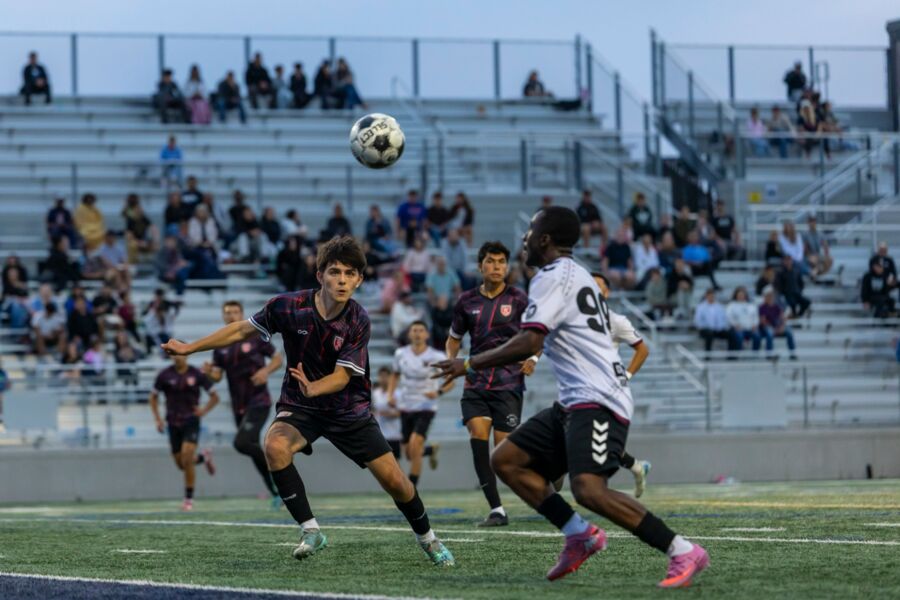
Sports and events break every sensible culling habit you have. The card is enormous, almost all of it is bursts, and the client wants pictures the same evening or while the event is still running. There is no time for a careful two-pass edit. What works instead is triage: fast, rule based, and ruthless about picking one frame per moment.
The deadline is the brief
On a wedding you have two weeks, and nobody is refreshing a page waiting. Sports and events do not work like that. The social team wants a frame from the opening keynote before the coffee break. The club wants the winning goal up before the crowd reaches the parking lot. A press desk has a filing time, and after it your photograph is worth nothing.
That changes what you are being paid for. On a portrait job the product is the picture. Here the product is the picture plus the hour it landed. A very good frame delivered on Thursday loses to a decent one delivered at nine on the night, because the decent one gets used and the good one does not.
So selection speed is not an efficiency gain in this genre. It is the deliverable. If you routinely spend an evening deciding, the fix is changing the method, not working harder at the same one. Our piece on how long culling actually takes holds for portrait work. For a match or a conference day, treat those numbers as your worst case, not your target.
You did not shoot 6,000 photos
Open the folder and the number looks impossible. That is the wrong way to read it. You did not take thousands of separate photographs. You took a few hundred moments and fired at each until it was over.
Say a match leaves you with 6,000 frames shot in bursts of about twelve. That is roughly 500 moments. Do the arithmetic both ways. At six seconds a frame, judging every image one by one is ten hours, which is why the folder feels frightening. At fifteen seconds a burst, picking one frame per moment is a shade over two hours, and most bursts take three seconds because nothing happened and you skip the block. Run that sum with your own numbers. It is the difference between a job you cannot finish tonight and one you can.
So set the rule before you open anything: one frame per burst, two only if the moment genuinely earned it. A gallery with four versions of the same tackle does not look thorough, it looks like nobody chose.
This is the same underlying problem as cleaning up duplicate photos, with one difference: these near identical frames are not an accident, you made them on purpose. That is fine. Bursts are how you catch the moment. They just have to collapse back to one before anyone else sees them.
What actually makes a keeper in action work
Inside a burst the frames are a hundredth of a second apart, so "which is better" is a useless question. You need specific checks you can run at speed, roughly in this order.
| What to check | What you want | Why it decides the frame |
|---|---|---|
| Peak action or peak expression | One of the two, clearly | The moment of contact, or the face after it. The frames between are the ones nobody uses. |
| The ball or the equipment | In the frame, ideally near the player | An action shot with the ball just out of frame reads as a mistake, even when the body is perfect. |
| Separation from the background | Head and limbs clear of clutter | A trash can growing out of a shoulder, or a face against a dark crowd, kills an otherwise strong frame. |
| Eyes | Open and visible, ideally on the ball | Eyes hidden under a helmet brim or shut mid effort drops the frame instantly. |
| Recognizable face | The subject identifiable, not just athletic | Most clients want the person more than the technique. See below. |
| Limbs and crop | Nothing amputated at a joint, room to crop | A foot cut at the ankle is unfixable. Space around the subject is a second and third sale. |
The check people get wrong is the fifth one. Faces beat form for most clients. A parent will pick a slightly awkward stride with a clear, joyful face over a textbook frame of a stranger in the same jersey. A coach wants the recognizable kid, not the perfect technique. Editorial is the partial exception, and even there the desk usually wants the face of the person the story is about.
So when a burst gives you a superb frame with the head turned away and a merely good one with the face open to camera, pick the face. You are not judging athletics. You are selling recognition.
Conferences: shoot a shot list you can select against
Event work has a different failure mode. Nothing moves fast, so nothing is technically hard, and you come home with thousands of frames of people standing in rooms. The pain is not blur. It is sameness, and the fact that nobody told you what the pictures were for.
Fix that before you shoot. An event client needs the same set of things almost every time, so shoot against a list, then select by filling slots instead of hunting for beauty:
- The speaker. Mouth closed or mid gesture, never mid word. A frame caught mid syllable makes a competent person look ridiculous, and it is the single most common reason a speaker photo gets rejected.
- The room. Wide, from the back or the balcony, showing a full house. This frame sells next year's tickets, and it is the one photographers forget.
- The crowd. Laughing, applauding, leaning in, taking notes. Reaction proves the talk landed.
- Branding and signage. The logo on the lectern, the banner, the stage graphic, the badge. Legible, in focus, not an afterthought at the edge of frame.
- Candid networking. Two people mid conversation, hands moving. Marketing teams use these more than anything else all year.
- Details. Sponsor stands, catering, the lanyard. Small pictures that carry the day's texture.
Selecting then becomes mechanical. You are not asking whether a frame is lovely, you are asking which empty slot it fills, and once a slot has its two or three frames you stop looking at that block. That turns one huge pile into six short jobs, the same principle behind a good on location culling workflow.
Deliver twice: a hero set tonight, the gallery later
Trying to produce one complete gallery against a same night deadline is what breaks people. Split the job in two and it becomes possible.
| The hero set | The full gallery | |
|---|---|---|
| When | During the event, or within a few hours of it | Two to five days later, like any other job |
| How many | Roughly 30 to 60 frames | Everything that deserves to exist |
| What is in it | The moments everyone already knows happened | Coverage, every player, every session, every sponsor |
| Editing | Fast global corrections, nothing precious | Your normal standard |
| What it is for | Social, press, the client's boss | Sales, archive, next year's marketing |
The important part is that this changes the order you select in, not just the volume. Do not start at frame one. Start with the moments you still remember: the goal, the fall, the standing ovation, the CEO walking on. Find those bursts, pick one frame from each, and that is your hero set, usually inside forty minutes. File it, then work the card properly for the full gallery.
Two practical benefits. The client stops asking, because they already have something. And the wide pass can then be done at a sane hour with your normal care. Agree both deadlines in writing before the event, so "tonight" means the hero set and nothing more. Our gallery delivery guide covers the second half.
The habits on site that make tonight possible
Nearly all the speed comes from work you do while the event is still running. Three habits, none of them clever.
Rate as you go, in the dead time
Every event has gaps: half time, the break between sessions, the twenty minutes of a panel you have already covered. Use them. Scroll back on the camera and flag the frames you know are good while the moment is still in your head. You are not culling, you are leaving a trail. Ten minutes of this at every break can hand you most of a hero set before you leave the venue. On flags versus stars, one flag beats a five point scale here every time.
Keep the heroes physically separate
A second card set to overflow, or a folder you copy heroes into at the first break, keeps your urgent set small and self contained. You are then editing forty images, not searching six thousand. On a laptop in a parking lot, that is the whole difference.
Caption while the names are fresh
You will not remember on Tuesday which one was the assistant coach. Voice memo the numbers, note them in your phone, photograph the team sheet and the running order at the start of the day. It costs nothing now and saves an hour of guessing later.
For press work, an unlabeled photo is unusable
This is the part that separates people who get event work again from people who do not. A picture desk cannot publish a photograph it cannot describe. No name, no context and no credit means the frame gets skipped for a worse one that arrived labeled.
The minimum for anything going to press or to a communications team is who, what, where, when and your credit line, written into the file's metadata rather than the email. In the email it is lost the moment the file is forwarded.
- Build the caption template before the event. Location, date, event name, your credit and copyright applied to every frame on import.
- Get the roster or running order in advance and check spellings against it. A misspelled name is worse than no name.
- Caption the hero set individually. Thirty to sixty frames with real names is twenty minutes of work. The full gallery can carry the template caption and be fine.
- Use sane filenames. Event, date, sequence. Nobody downstream wants a file called DSC_4471, and a good file management routine makes this automatic.
None of it is glamorous. It is also why one photographer gets the call next season and another does not.
Where AI selection genuinely helps, and where it cannot help you
This is the genre where automated selection earns its keep most obviously, because what it does well is exactly what you have most of.
Burst grouping is the feature that matters. Putting the twelve frames of one moment in front of you as one block, instead of scattered through a timeline, is most of the job done. Blur and focus checks are the second. When you are panning at a slow shutter, a lot of frames are simply soft, and a machine finds those faster than tired eyes at midnight. There is more on what these systems can and cannot see in can you trust AI culling.
What no tool can do is know who matters. It cannot tell you which player is the client's kid, which of four people on stage is the CEO, or which frame the local paper will run because of a story that broke this morning. It has no idea a sponsor paid for the banner in the background and wants it visible. Those decisions are what make your set valuable, and they stay yours. The expectation that suits fast wedding culling applies here: the machine does the mechanical sorting, you do the judgment.
Where Kepla fits, stated plainly
Kepla clears the obvious misses and hands you the clean frames. It never deletes, moves or renames a file, so every frame stays where it is and anything not picked is one tap away. That matters here, because the frame you skipped in a hurry at 8pm is often the one a sponsor asks for on Friday.
The shape we are building for is phone first, then Mac. A first pass on an iPhone or iPad between periods, during a keynote you have already covered, or in the taxi home, then the same job open on the Mac for the wide pass at full size, everything still there. We went through that tradeoff in phone versus computer culling.
Being straight about status: the picking app for iPhone, iPad and Mac is still being built and has not shipped. What is live today is our free booking page, which holds dates and takes deposits, free while we build the rest.
FAQ
How do you cull thousands of sports photos quickly?
Work in bursts, not frames. A card of several thousand images is usually a few hundred moments shot twelve times each, so set a rule of one frame per burst and two only when the moment truly earned it. Skip whole blocks where nothing happened. Judging every image individually can take ten hours. Judging one burst at a time typically takes a small fraction of that.
What should you look for when picking an action photo?
Peak action or peak expression, the ball or equipment in frame, clean separation from the background, open and visible eyes, a recognizable face, and no limb cut off at a joint. Leave room to crop. When you have to choose between a technically superb frame with the head turned away and a good frame with the face clear, pick the face.
How many photos should you deliver from an event the same day?
Around 30 to 60 frames is a workable hero set for social and press on the night, followed by the full gallery a few days later. Agree both deadlines in writing before the event so nobody assumes the same-day set is everything. The hero set covers the moments people already know happened, and the full gallery covers everyone and everything else.
Why do speaker photos so often look bad?
Because they were taken mid word. A face caught mid syllable makes an articulate person look strange, and it is the most common reason an event photo gets rejected. Wait for a closed mouth, a smile, or a clear hand gesture, and shoot short bursts around those. Then select on the mouth first and worry about the rest afterward.
Does AI culling work for sports photography?
For the mechanical part, yes, and this is the genre where it saves the most time. Grouping the frames of one burst together and flagging soft or missed focus shots is precisely what these tools do well. What no tool can do is tell you which player is the client's child, which person on stage is the CEO, or which frame matters because of a story that broke that morning.
Why do press photos need captions and metadata?
Because a picture desk cannot publish a photograph it cannot describe. Without a name, context and a credit line written into the file's metadata, a strong frame gets skipped in favor of a weaker one that arrived labeled. Build a caption template before the event, check name spellings against the roster or running order, and caption your hero set individually.
Built for the card with six thousand frames on it
Kepla for Mac clears the obvious misses from a card, names the reason on every frame it sets aside, and leaves the choosing to you. Nothing is ever deleted, moved or renamed. Free through the private preview · the first hundred photographers keep it at $99 a year.