How to choose the best frame from a burst
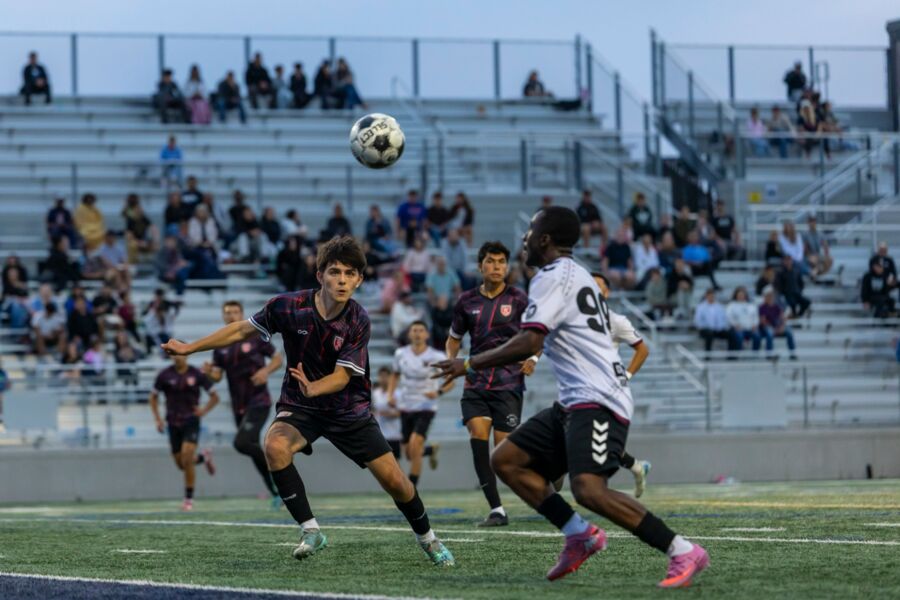
Almost nothing you shoot arrives alone. It arrives in a run of four, or eight, or twenty near identical frames, and one of them goes in the gallery. That single decision is the atom of the whole job, and most photographers have never been taught an order for making it. Here is one, plus the part nobody talks about: when to stop.
The decision you make a thousand times a night
A wedding is typically 2,000 to 4,000 RAW frames. Very few of them are singletons. They come in runs: six of the ring exchange, nine of the first look, fourteen of the aisle walk because you held the shutter down and you were right to.
Which means the honest description of a culling session is not "I reviewed 3,000 photos." It is "I made the same comparison about four hundred times." That is the atom. Everything else in your workflow, the ratings, the folders, the keyboard shortcuts, is scaffolding around this one repeated act.
It also explains why culling feels so much harder than its hour count suggests. A survey of more than 300 UK wedding photographers, run by Your Perfect Wedding Photographer and reported by PetaPixel, put culling at 11 percent of working time against 4 percent shooting. Eleven percent sounds small until you notice it is 11 percent spent doing one thing over and over.
Shave four seconds off the burst decision and you have not saved four seconds. You have saved four hundred of them, and more importantly you have stopped four hundred small stalls from stacking up into the state where you cannot judge anything at all.
Why near identical frames are the hardest thing to judge
People are bad at this in a specific, well understood way. Perception research has long held that we judge two things reliably when they sit side by side, and unreliably when we judge one thing on its own against a memory. A burst is the worst case for that: seven frames that differ by a few pixels of eyelid, viewed one after another, each one erasing the last.
So you scroll back. Then forward. Then back again, because you cannot remember whether frame 3 or frame 6 had the better hand. That loop is not a discipline problem. It is what happens when you ask memory to do a job that comparison should be doing.
The loop is also expensive twice over. It burns clock, and research suggests that a long series of near identical choices degrades the quality of the choices that come later, which is the mechanism behind the familiar feeling that the last hour of a cull is worthless. We went into that in more detail in our piece on decision fatigue and photographers. The practical upshot for this article is narrow: every rule below exists to make the burst decision happen once, in one direction, without a rewind.
Set the comparison up before you judge anything
Most bad burst decisions are made in the wrong container. Three things to fix before you look at a single face.
Decide where the burst starts and ends
A burst is one moment at one framing. If you recomposed halfway through the run, that is two bursts, and each one gets its own winner. Judging them as a single pool is how you end up with two nearly identical wides and no tight shot at all. Culling software groups by visual similarity and capture time, which is a good guess and only a guess: it will happily merge two setups shot thirty seconds apart, and split one run because you turned. We wrote up the mechanics in how duplicate detection actually works. Trust the grouping to gather, not to define.
Put them in front of you at the same time
Whatever your tool calls it, survey view, compare, side by side, use it. Same zoom on every frame, same order every time. A filmstrip that shows you one photo at a time is asking you to remember, and you have already read what memory does here.
Look at the thing the photo is about
Zoom to the face that matters, not to the center of the frame. On a run of the couple that is four eyes. On a speech it is one. Everything else in the picture is nearly constant across the run, so it carries no information and it is only there to slow you down.
The order to compare in, and why the order is the whole trick
Here is the rule that does the most work: compare in order of what cannot be fixed. Start with the checks that disqualify a frame permanently, and finish with the ones a slider solves. Most people do the reverse, because sharpness is the easiest thing to see, and so they spend their attention grading a quality that was never going to decide anything.
| Check, in this order | What it actually decides | Can editing save it? |
|---|---|---|
| Eyes of the main subject | Whether this frame exists at all | No, not from one frame |
| Expression at the peak | Whether this is the moment or the one next to it | No |
| Hands, chins, overlapping heads | Whether each person reads as a person | Rarely, and never cheaply |
| Focus on the near eye | Whether it survives being printed large | No |
| Frame edges and background | Whether it needs a crop | Usually, and cheaply |
| Exposure, white balance, noise | Almost nothing | Yes |
Read that table as a ladder you climb until one frame is left standing. Nine times out of ten you never reach the bottom two rows, and that is the point. If two frames are still level after eyes and expression, you have a genuine tie, not a puzzle.
Note where sharpness sits. Fourth, and only on the near eye, not on the frame. A run where the softest frame has the real laugh in it is a run where the softest frame wins, which is the argument we made at length in why your best photo is not the sharpest one. Sharpness is a floor to clear, not a score to maximize.
Eliminate, do not rank
You do not need to know which of eight frames is second best. You need one. Those are completely different amounts of work, and treating them as the same task is why a burst can eat two minutes.
Ranking eight frames properly means comparing every pair, which is twenty eight comparisons. Running a knockout means seven. Hold the first frame as the current pick. Compare frame two against it on the ladder above, and keep whichever wins. Compare frame three against the survivor. Carry on to the end of the run. One direction, no rewind, and you are never holding more than two images in your head.
Two habits protect it:
- Do not reopen a settled comparison. When frame five beats your champion, frames one to four are finished. They do not get a second look because frame six looked good.
- Say why the challenger won. Under your breath is fine. "Better eyes." "Her hand." If you cannot name it in three words, the challenger did not win, and the champion stands.
That second habit is also how the skill compounds. The reasons you say out loud are the criteria you are actually using, and once you can hear them you can write them down, argue with them, and hand them to a second shooter. That is the substance of training your eye: not looking harder, but knowing what you are looking for before you look.
When to stop, which is the part nobody teaches
A burst decision has three legitimate endings, and only one of them is "I found the great one."
- One frame clearly won. Take it, move on, do not go back to admire it.
- Two frames are genuinely tied. They are tied. That is information, not a failure. Take the earlier one, because in a run the earlier frame is usually closer to the reaction and the later ones are the aftermath, and go. A coin toss you make in one second costs you nothing. The same coin toss made over ninety seconds costs you ninety seconds and some of your judgment for the next burst.
- Nothing won. The moment did not land. No frame from this run goes in. Runs that produce no pick are normal and healthy, and a photographer who never has one is padding.
Give yourself a hard ceiling of one pass per run. If you have gone through it once and you are starting a second lap, you are in ending two, so behave like it.
The second pick problem
The strongest pull in the whole job is to keep two from a great run, just in case. Resist it unless you can complete this sentence: the client would describe these two photos differently. Different expression, different gesture, different beat of the moment. "This one is slightly sharper" fails the test. Two frames of the same instant do not make a gallery richer, they make it longer, and the client scrolling on a phone reads the repetition as padding. Everything you did not pick is still sitting in the folder, which is the whole argument in what to do with the photos you do not pick.
Four runs that should break the rule
One frame per burst is the default, not a law. Four situations earn more.
- Group formals. The ladder assumes one face. With fourteen of them the eye check stops being a quick yes and becomes its own procedure, and you may need to keep a second frame as a spare. That case has its own method in culling group photos for open eyes.
- A sequence that tells a story. Three frames of the bouquet leaving her hand, arcing, landing. Delivered together they are a beat, not a repeat. Rare, and worth spotting when it happens. Sports and action work runs into this constantly, which is why culling sports frames uses different rules from portrait work.
- Album candidates. A spread sometimes wants a horizontal and a vertical of the same moment, and you will not know which until layout. Flag both as album candidates while you are in the run rather than hunting for the alternate later. The reasoning is in album selection versus gallery selection.
- A pick that depends on a second frame. If your chosen frame only works because you plan to borrow something from its neighbor, then the pick is two files. Flag them as a pair in the same pass, because the neighbor is by definition a frame you scored lower and would otherwise never look at again.
How we are approaching this at Kepla
Kepla is being built around exactly this decision, because it is the one that repeats.
It gathers the run, checks each frame against clear criteria, focus, open eyes, expression, near identical neighbors, and hands you a shortlist with a pick already made. From a 2,000 photo wedding that is roughly 800 picks, and it takes minutes. Your job changes from making four hundred comparisons to checking four hundred that have already been made, which is a much smaller job and a much less tiring one.
Nothing is ever deleted, moved or renamed. Kepla only marks what it picked. Every frame in every run stays exactly where it is, one tap away, which matters most in the fourth exception above: the spare frame you might need is always there, because it never went anywhere.
The first pass happens on your iPhone or iPad, on the way home, not at the desk at midnight. When a run needs two frames at full size, side by side, zoomed to an eye, the same shoot opens on the Mac and you carry on where you left off. One shoot, both screens, nothing redone.
Straight answer on status: the picking app is still being built for iPhone, iPad and Mac. The booking page is live and free today. Founding members get the picking app the day it ships.
FAQ
How many photos should I keep from a burst?
One, in almost every case. Keep a second only if a client would describe the two photos differently, meaning a different expression, gesture or beat of the moment. A second frame that is simply a little sharper adds scrolling and no value. Group formals and story sequences are the real exceptions, and album layouts sometimes want a horizontal and a vertical of the same moment.
Should I compare photos side by side or one at a time?
Side by side, always, when the frames are near identical. People judge two images reliably when both are visible and unreliably when judging one against a memory. A filmstrip forces you to remember what frame three looked like while you stare at frame six, which is what causes the endless scrolling back and forth. Use your app's compare or survey view for every run.
What should I look at first when choosing between similar frames?
Whatever cannot be fixed later. Eyes on the main subject first, then expression, then hands and overlapping heads, then focus on the near eye. Exposure, color and cropping come last because editing solves them. Most photographers start with sharpness because it is the easiest thing to see, and then spend their attention grading something that was never going to decide the frame.
How long should it take to pick one frame from a burst?
A few seconds for most runs. Give yourself one pass through the run and no more. If you have gone through it once and you are starting a second lap, the frames are tied, so take the earlier one and move on. A tie broken in one second costs nothing. The same tie agonized over for ninety seconds costs you the next few decisions too.
What if no frame in the burst is good enough?
Then the run produces no pick, and that is a normal outcome. The moment did not land, and putting a weak frame in the gallery because you shot fourteen of it helps nobody. A photographer who never has an empty run is padding. Nothing is lost by skipping it, since every frame stays in the folder whether you picked it or not.
Does AI culling pick the best frame from a burst automatically?
It proposes one. Current tools group a run and put forward the frame that scores best on focus and open eyes, which handles the mechanical part well. What they cannot judge is which instant matters, so treat the proposal as a fast first draft you sign off on rather than a finished answer, and pay attention to the runs where you disagree with it.
Make the same choice four hundred times less.
Kepla for Mac clears the obvious misses from a card, names the reason on every frame it sets aside, and leaves the choosing to you. Nothing is ever deleted, moved or renamed. Free through the private preview · the first hundred photographers keep it at $99 a year.