High volume event culling across three days
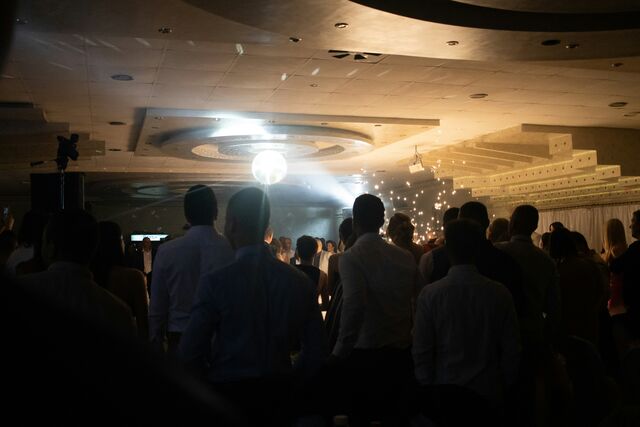
A three day conference is not one big event. It is three events with no gap between them, and the photographer who treats it as a single job is behind by the second afternoon. This is the part that makes multi day work survivable: a per day rhythm, file names that match the program, and handing pictures over while the event is still going on.
The day is the job, not the event
A one day event has a shape you can plan around. You shoot, you finish, you go home, and there is an evening at the end of it where the whole job gets sorted. It is a hard evening, but it exists. Our guide to culling sports and event photos is built around that evening, and around the single deadline sitting at the end of it.
A three day conference has no evening. Day two starts at seven whether or not day one is finished, and the registration desk opens again with exactly the energy it had yesterday. The recovery time you were quietly counting on turns out to be somebody else's keynote.
So the useful switch is this: on a multi day event, the day is the job. Each day gets its own selection pass, its own small delivery, its own folder, and its own closing point. You are not shooting a festival. You are shooting three consecutive one day jobs that happen to share a client and a lanyard.
Everything below follows from that. The rhythm, the file names, the live handover, even how you split a team, all get simpler once you stop treating the week as one enormous card to be dealt with on Sunday night.
Why day one decides whether day three works
Carrying a day forward is not a small cost. It compounds, and it compounds against you at exactly the point where you have the least left to give.
Run the arithmetic on your own event. Say a busy conference day leaves you with a few thousand frames. Clear it that night and day two starts at zero. Skip it once and day two starts at a few thousand and ends at twice that, so by the time day three comes off the cards you are facing the entire event at once, on the least sleep you have had all week, with a client already asking where Tuesday's pictures are.
The second cost is worse than the first. You lose the memory. On the night of day one you still know which session that was, who the woman in the red jacket was, and which frame the sponsor will want. Three days later that is gone, and you are selecting blind from a folder of strangers in rooms that all look alike.
So the rule that makes multi day work survivable is that nothing carries. Not "I will do it properly at the weekend". The day's pass closes before you sleep, at whatever standard the hour allows.
Which means the standard has to be honest. A same night pass is a pass, not a masterpiece. Pick the frames that clearly work, leave the marginal ones for the wide pass after the event, and remember that every frame you skipped at midnight is still sitting on the card on Friday.
Deliver per day, before the next day starts
The client's marketing team is posting about this event while it happens. A gallery that lands the following week arrives after the conversation it was meant to feed has already ended. That is why per day delivery on this kind of job is not a courtesy, it is most of the value you are being paid for.
The drop that works best goes out first thing the next morning rather than last thing at night. You get the night, they get pictures at the start of their working day, and day one is being posted while day two is being shot.
| When | What you are doing | What leaves |
|---|---|---|
| During sessions | Shoot. Flag the obvious keepers on the camera while the moment is fresh. | Nothing |
| Breaks and lunch | Back up the cards. First pass on the morning's sessions while you still remember them. | Anything urgent the client asked for |
| End of the last session | Back up again. Finish the pass for the day. | Nothing |
| That evening | Pick the daily set, fast global corrections, caption the names you actually know. | Nothing |
| Early next morning | Send the link. Then go and shoot day two. | The day's set |
Keep the daily set small. A few dozen frames per day is plenty for a social team, and a small set gets looked at properly while a large one gets skimmed. The complete gallery, with every session and every delegate in it, follows after the event like any other job.
The one thing that breaks this rhythm is a client who assumed "daily photos" meant the whole day, finished, every night. Settle that in writing before you accept the booking.
Name files by session, because that is how they get asked for
Nobody ever asks for frame 4471. They ask for "the Tuesday afternoon panel on supply chains", or "the main stage set before the headliner", or "the one with our banner behind the speaker". If your file names cannot answer a question phrased like that, you become the search engine, and you get to be the search engine for the next two years.
So name by the program. Event, date, session or stage, then sequence. Set it at import on day one rather than as a tidy up at the end of the week, because at the end of the week you will not do it.
- Get the running order in advance and build the folders from it before you shoot. The program is your structure, already written for you by somebody else.
- Use the session name, not the room. Rooms get reassigned on the morning and nobody tells the photographer. The session keeps its name.
- Put the date in the name rather than "day two", because day two of what is a question nobody can answer in March.
- Mark the frames a sponsor will want while you still recognize the logo. Sponsorship teams ask late, and they ask very specifically.
- Write your credit and the event details into the metadata on import, so they travel with the file when it gets forwarded around a large organization.
A consistent scheme costs one evening to set up and pays for the rest of your career. If yours is currently ad hoc, our file naming system guide is the twenty minutes to spend. And name for the person receiving the files rather than for yourself, which is the same point we make about headshots and internal teams in culling corporate photography.
Handing over while the event is still running
Live handover changes the job more than people expect. Once a client can see pictures during the event they behave differently, mostly in your favor if you set it up properly on day one.
One running gallery, not five emails
Give them a single link on the first morning and keep adding to it. They bookmark it once, share it once internally, and stop chasing you for individual files. Three days of separate file transfers is how a marketing team mislays your best frame.
Say plainly what the live set is
Tell them the running gallery is a working set, picked fast with quick corrections, and that the finished gallery follows. Otherwise the first rough frame they open becomes their opinion of your standard, and you never get to correct it.
One contact, one channel
There will be urgent requests. The communications lead needs the chief executive on stage in the next ten minutes, and that is often the single most valuable thing you do all week. What does not work is four people messaging you on three apps while you are shooting. Agree one named contact and one channel, and answer at the next break rather than continuously.
Agree the approvals before day one
Some frames cannot go out immediately: an unannounced product on a screen, a closed session, an attendee who asked not to be photographed. Decide in advance who clears those and how quickly. Anything waiting on a decision simply stays out of the running gallery until somebody says yes. It is still there, it is just not published yet.
Festivals: several photographers, one gallery
Once there is more than one of you, the selection problem stops being about photographs and starts being about agreement.
The failure is predictable. Two photographers cover different stages, both hand in what they consider their picks, and one set comes back four times the size of the other because they were working to different ideas of what a pick is. The client sees one gallery, so the inconsistency reads as yours.
Three things fix it, all settled before the first day rather than argued about on the second.
- One naming convention, written down. Include each photographer's initials so two cameras never produce the same file name, and so you can tell later who was where.
- One standard for what gets picked. Not a feeling, an actual sentence. One frame per moment, the artist's face visible, a crowd shot only when it shows scale. Our piece on second shooter culling standards is written for exactly this conversation.
- One place the cards land. A single ingest point at the end of each day, copied twice before anybody goes to bed. Cards living in jacket pockets across a festival site is how a whole day goes missing. The ingest checklist covers the routine.
Then split the picking the same way you split the shooting. Each photographer runs their own first pass on their own stages, because they were there and they remember which set caught fire, and one person assembles the daily drop from those picks. That keeps the pass parallel and the taste consistent.
There is no desk, so the pass happens where you are
The quiet assumption behind most culling advice is that a desk is waiting at the end of the day. On a multi day event there frequently is not. There is a press room with one power socket, a shuttle bus, twenty minutes backstage, and a hotel bed at one in the morning with a laptop on your knees.
That is why the gaps matter so much here. A pass done between sessions is not a compromise on this job, it is the only version of the pass that reliably happens. The tradeoff between a small screen and a large one is worth understanding before you rely on it, and we went through it in phone versus computer culling.
Where Kepla fits, stated plainly
Kepla clears the obvious misses and hands you the clean frames. It never deletes, moves or renames a file, so everything you did not pick at midnight is still exactly where it was when a sponsor asks about it on Friday.
The shape we are building for suits this kind of week: a first pass on an iPhone or iPad in the gaps of the day, then the same event open on the Mac for the wide pass once the run is over, with nothing redone. Being straight about status, that picking app is still being built and has not shipped. What is live today is our free booking page, which holds dates and takes deposits, free while we build the rest.
What to settle before you take the booking
Most of the pain on a multi day event is agreed to months earlier, in an email that seemed perfectly reasonable at the time.
- The program, in advance. Not on the morning. You cannot build folders or a shot plan from a schedule you have never seen.
- What lands each day, and when. A number and a time, in writing, so that daily photos does not quietly come to mean the whole day finished every night.
- Somewhere to work. A table, a chair and a power socket in the press room is a real deliverable. Ask for it while you still have leverage.
- Who approves, and how fast. One named person with the authority to clear a frame inside ten minutes.
- What happens when the day overruns. Events run long. Decide whether that is overtime or goodwill before it is midnight and somebody is asking you to stay for the awards.
None of this is hard to ask for. It is simply much harder to ask for on day two than it is before you sign. The wording that turns these into actual commitments, and what event clients expect in return, is in our guide to event photo delivery timelines.
FAQ
How do you cull a three day conference?
Treat each day as its own job. Run a selection pass the same night, send a small set the next morning, and start the following day at zero. Carrying a day forward doubles the pile and costs you the memory of what happened, which is the part that makes the choices easy. The full gallery comes after the event, at your normal standard.
Should event photos be delivered each day or all at once?
Each day, if the event runs longer than one. The client's team is posting while the event happens, so a daily set of a few dozen frames arrives while it is still useful and buys you time to finish the rest properly. Send it first thing in the morning rather than late at night, and agree the daily count in writing beforehand.
How should you name photos from a multi-day event?
Name by the program: event, date, session or stage, then sequence. That matches how the pictures will be asked for later, because requests arrive as the Tuesday afternoon panel rather than as a frame number. Use the session name instead of the room, since rooms get reassigned, and set the scheme at import on day one rather than tidying up at the end.
How do you share photos while an event is still going on?
Use one running gallery that you keep adding to, shared on the first morning, rather than a series of separate file transfers. Tell the client plainly that it is a working set picked fast, with the finished gallery to follow. Agree one named contact and one channel for urgent requests, and answer them at breaks rather than while you are shooting.
How do several photographers cover one festival without the gallery looking inconsistent?
Agree three things before the first day: one naming convention including each photographer's initials, one written standard for what counts as a pick, and one place the cards land each night. Then let each person run the first pass on their own stages, since they were there, and have one person assemble the daily set from those picks.
Does AI culling help on high volume events?
For the mechanical part, yes. Grouping the frames of a burst and flagging soft focus is exactly what these tools are good at, and a long event produces a great deal of both. What no tool knows is which person on stage is the chief executive, which sponsor paid for the banner, or which session the client cares about most.
Built for the week where day two starts at seven
Kepla for Mac clears the obvious misses from a card, names the reason on every frame it sets aside, and leaves the choosing to you. Nothing is ever deleted, moved or renamed. Free through the private preview · the first hundred photographers keep it at $99 a year.