Event photo delivery timelines: what to promise
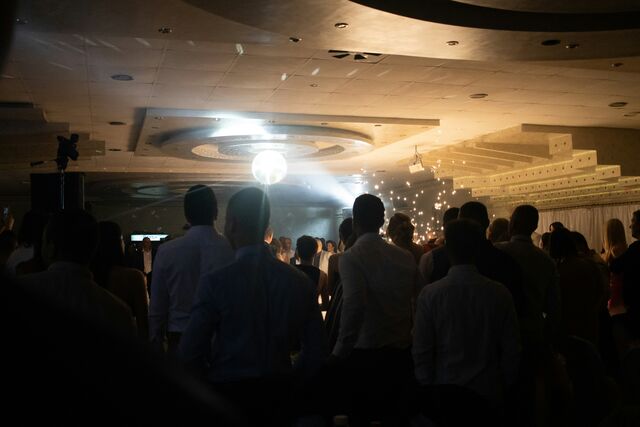
Event clients are not sitting patiently. They are publishing. Their expectation is set by a marketing calendar, not by how long editing takes, and the gap between those two things is where most delivery arguments start. Here is what event clients actually expect, what is safe to promise, and how to write the promise into a contract that survives a long day.
Event clients are not waiting, they are publishing
A couple waiting for wedding photos is waiting for something to keep. They will check the inbox, they will get impatient, but nothing in their working week depends on Thursday. Our wedding delivery timeline is built for that kind of patience, and the whole calendar in it assumes weeks.
An event client is on a clock somebody else set for them. The conference hashtag dies on Friday. The picture desk has a filing time. The sponsorship report is due at the end of the month. The recruitment campaign the headshots were shot for launches on the first, with or without your photographs in it.
So when an event client asks how fast you deliver, they are not asking about your workflow. They are asking whether your pictures will arrive while they are still useful. A very good gallery that lands after the moment has passed is, from their side of the table, a gallery that did not arrive.
That is why event work has to be quoted, promised and contracted differently. The question is never simply how long. It is how much, how soon, and how much longer for the rest.
What event clients actually expect, by who is asking
The client is rarely one person. The marketing manager, the organizer, the sponsorship lead and the press officer are all in the same room wanting different things on different days, and the fastest way to be judged late is to serve one of them well and the rest not at all.
| Who is asking | What they need first | When | What can wait |
|---|---|---|---|
| Corporate marketing | A handful of usable frames for social | While it is still happening | The complete gallery |
| Conference organizer | Speakers, a full room, clear branding | Each morning, for the daily recap | Delegate and detail coverage |
| Press or communications | Captioned frames of the named people | Against a filing time, in hours | Almost everything else |
| Sponsorship team | Their logo, visible and in focus | Before the post event report | Very little |
| Sports club or league | The decisive moments | The same night | The full set for parents and archive |
| Festival or brand | Stage, crowd and atmosphere | Nightly, for the next day's promotion | The finished edit after the run |
Two patterns run through all of it. Almost everybody wants a small number of frames very quickly and is relaxed about the rest. And the fast set is judged on whether it is usable, not on whether it is your best work of the year.
Both of those are good news, because they mean you can promise speed on a set you can genuinely produce. What people almost never want is one enormous gallery arriving a week later with everything in it. That is the wedding shape, and applying it to event work is the most common reason a good event photographer does not get booked twice.
Promise two dates, not one
The structure that holds up is two deliveries with two separate deadlines. The first set is small, fast and functional. The second is the complete gallery at your normal standard.
Do not leave the first one implied. If your contract names only the full gallery, and you mention in a friendly phone call that you usually send a few images on the night, the client will build their campaign around a promise you never actually made. You will then keep it every single time or be the reason a post went out late.
Both dates belong in the same clause, each with a count against it. On a multi day event the first date repeats, because the drop happens every morning, and that changes how the whole week has to be worked: we set out the rhythm in high volume event culling. The production method for actually hitting a same night deadline is in culling sports and event photos.
One caution on the fast set. Promise a count you can hit on your worst day rather than your best. The night the lighting was hostile and the schedule ran ninety minutes late is precisely the night that clause gets tested.
How to write the delivery clause
A delivery clause has one job: to make sure that when the date arrives, you and the client agree about whether you met it. Most disputes are not really about lateness. They are about two people reading the same sentence differently.
- Promise an outside date, not a hope. A phrase like "within ten business days" is a commitment you keep comfortably while privately working to five. "Around a week" commits you to nothing and you will still be blamed for missing it.
- Say what starts the clock. The last day of coverage is the clean trigger. If you need something from the client before you can finish, say the clock starts when you receive it.
- Define delivered. Delivered normally means the gallery link has been sent. It should not mean the client has downloaded, approved or finished choosing, because those are their tasks on their timetable, not yours.
- Use business days, and say so. Five days across a public holiday weekend is a very different promise from five business days.
- Give a number. A stated minimum count of edited images is checkable. "A full gallery" is an invitation to be told it looks thin. Set the minimum from what your last few comparable events actually produced, not from the best one you ever shot.
- Name the format. Web sized files for social, full resolution on request, and whether raw files are included, which for most photographers is a polite but firm no.
Not legal advice
This is general information, not legal advice. What is enforceable varies by country and state, and an event contract often sits alongside a venue agreement or the client's own supplier terms. Have a lawyer review your wording before you rely on it. For the full walkthrough of what a photography agreement should contain, see our photography contract guide.
The clauses that protect the date
You can only promise a date you control, and on an event you control less of it than you think. Every one of these has cost a photographer a deadline they were then held responsible for.
- Client dependencies. If you need a name list, a running order, a logo file or an approval before you can finish, write that the delivery window pauses until you have it.
- Approval rounds. Corporate work often needs frames cleared before they go public. Give the client a window to respond and say what happens if they miss it, otherwise their slow week becomes your late delivery.
- The event overrunning. Coverage that runs three hours long does not shrink the work that follows it. State that the window runs from the actual end of coverage, not from the scheduled one.
- Scope changes on the day. An extra breakout room, a second stage, a surprise group photograph of two hundred people. Agree in advance that added coverage moves the date or costs more, and ideally both.
- Your own capacity. Conference season stacks the same way wedding season does. A promise signed in January is a different animal in a week when you shoot three events, so quote in season honestly rather than heroically.
None of this reads as defensive to a professional client. Event organizers work in run sheets and dependencies all day long. A photographer who writes them down looks like somebody who has done this before, which is exactly the impression you want while they are still choosing.
Rush delivery is a line item, not a favor
Same day delivery is not a faster version of normal delivery. It is a different service with a different working day attached, usually performed by somebody who has already been on their feet since six in the morning.
So price it as its own line. A fixed same day fee, an hourly rate for an editor working on site, or a charge for a set of urgent frames: whichever fits, the number should exist on the quote before anybody asks for it. The version that hurts is the free favor, because a favor granted once becomes next year's expectation, and by then it is unpaid work you cannot stop doing. The same logic runs through charging for extra edits.
Two things in particular are worth pricing separately. An editor alongside you for a multi day event is a second person's time, not an efficiency. And any turnaround measured in hours usually means you are not shooting while you do it, which is a real cost to the client's own coverage, and worth saying out loud when you quote it.
Delivery is not the same as handover
An event client's use of the pictures does not end when they download them, and this is where event work differs most from consumer work. The images go into a report, a recruitment page, a press release, sometimes an advertisement. Your delivery terms and your usage terms have to agree with each other, or the fast set you were proud of becomes an argument in November.
- Say how long the gallery stays up. Event galleries get asked for again a year later, usually a week after you archived them. State the hosting period and what a restore costs.
- Match the license to the use. Internal and social use is one thing, paid advertising is another. If your price assumed the first, that belongs in writing.
- Keep the credit line in the metadata so it survives being forwarded around a large organization, which it will be.
- Agree who else may have the files. Sponsors, speakers and the venue will all ask. Decide now whether that is included and whether they are asked to credit you.
The mechanics of the handover itself, and the small things that make a gallery feel like a finish rather than a file transfer, are in our client gallery delivery guide. If the agreement underneath it is the weaker part of your setup, the failures that come up most often are collected in photography contract mistakes.
When you are going to miss the date
You will miss one eventually. A drive fails, you get ill, the event runs until two in the morning and takes the following day with it. What decides whether it costs you the client is almost entirely how you handle the next hour.
Tell them before the deadline, not after it. A client who learns on Tuesday that Thursday has become Monday can move their post and tell their own boss calmly. A client who learns on Friday that Thursday did not happen has already been asked where the pictures are, and that is the conversation they will remember about you.
Give a new date you are certain of, and if there is a small useful set you can send today, send it. Ten frames now plus a firm date beats an apology and silence every time. Late and communicated is a scheduling problem. Late and quiet is a character problem, and it is the version that turns up later in the review.
FAQ
How long should it take to deliver event photos?
Think in two deliveries rather than one. A small usable set goes out the same day or the next morning, while the complete gallery follows within a window you can hold even in a busy month. The right numbers depend on your own recent events, so set the promise from what your last few jobs really took rather than from your fastest ever turnaround.
Should event photos be delivered the same day?
A small set, yes, for most corporate, press and sports work. The client is publishing while the event happens, so a handful of usable frames on the night is worth more to them than a perfect gallery next week. Deliver a short hero set fast and the full gallery later, and put both in the contract so nobody assumes the fast set is everything.
What should a photography delivery clause say?
It should give an outside date rather than a target, say what starts the clock, define what delivered means, use business days, state a minimum number of edited images, and name the file formats included. It should also say the window pauses if you are waiting on something from the client, such as a name list or an approval.
How many photos should you promise in an event contract?
Promise a minimum you could hit on a difficult day, then deliver more. A stated minimum is checkable and protects you both, where a phrase like a full gallery only invites a debate about whether it looks thin. Base the figure on what your recent comparable events actually produced, and keep the fast set count separate from the full gallery count.
Can you charge extra for rush delivery?
Yes, and you should. Same day turnaround is a separate service with a separate working day attached, often meaning you are editing instead of shooting. Put it on the quote as its own line, whether that is a flat rush fee, an hourly rate for an editor on site, or a charge for a set of urgent frames. A free favor becomes next year's expectation.
What should you do if you are going to miss the delivery date?
Tell the client before the deadline passes, not after. Give a new date you are confident about, and send whatever small set is genuinely ready now. Being late and clear is a scheduling problem the client can work around. Being late and silent is what shows up in reviews, because by then somebody has already asked them where the photographs are.
Promise dates you can actually keep
Kepla for Mac clears the obvious misses from a card, names the reason on every frame it sets aside, and leaves the choosing to you. Nothing is ever deleted, moved or renamed. Free through the private preview · the first hundred photographers keep it at $99 a year.