Festival photo deadlines: ten acts, one morning
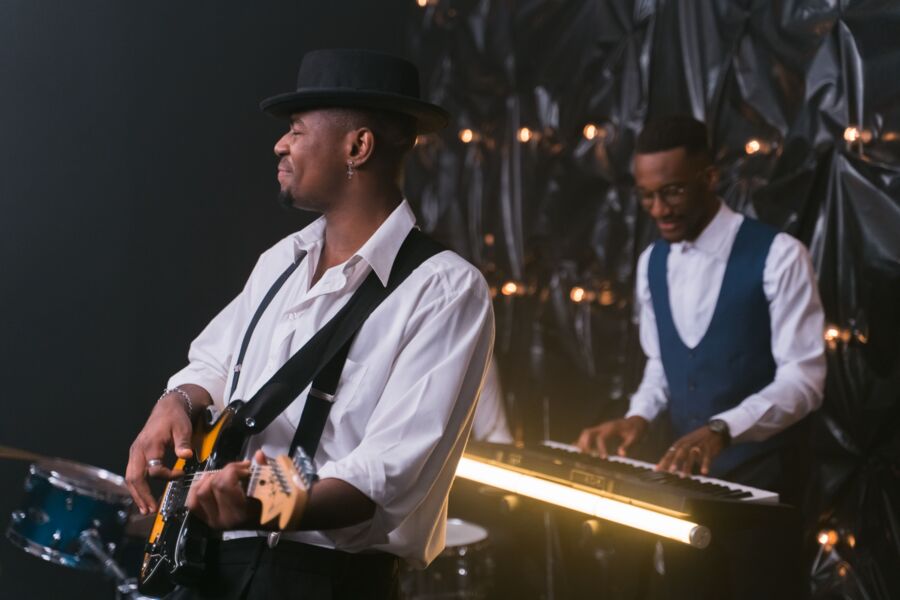
A single gig gives you one artist and a short window. A festival gives you eight acts across three stages, a bag full of cards, and a promoter who wants pictures before breakfast. The frames are not harder to judge. The problem is judging all of them, in order, against a clock. Here is the pipeline that gets the day delivered on time.
A festival is an inventory problem before it is a taste problem
One show is one artist, one stage and a short credential window. The difficulty there is ranking a few hundred near identical frames of the same person under lighting that changes every bar.
A festival is a different animal. Eight or ten acts, two or three stages, a full day on your feet, and cards that hold more frames than a wedding does. For scale, a full wedding day typically produces 2,000 to 4,000 RAW files, and a busy festival bill will match that comfortably.
The individual pictures are no harder to judge. The problem is that you have to judge all of them, in order, against a clock, and every extra minute you spend on the first act is a minute the sixth act will not get. That makes a festival an inventory problem before it is a taste problem. Every act on the bill owes you a minimum, and the day owes you a handful of frames that no single act can provide.
The craft of picking live music frames, the three song credential, what saturated stage light does to a face, and why a closed eye is often the picture, is covered in our guide to picking concert photos. This article is the pipeline around that craft: how a festival day gets from a stack of cards into a client's inbox before they wake up.
Get five answers before the gates open
"As soon as possible" is not a deadline and "your best shots" is not a brief. Before the first act, get these in writing.
- The actual hour. Not "in the morning". A picture desk that files at 6 AM and a marketing team that posts at 10 AM are two completely different nights for you.
- The count, and whether it is per act or for the day. Four frames per act on a ten act bill is a very different job from forty frames of the headliner.
- Orientation. Vertical frames for stories and social, horizontal for web headers and print. If nobody tells you, deliver both for the top acts.
- Signage and sponsors. Some clients need logos readable and some need them out of frame. This is a contractual detail, not a taste one.
- Approvals and embargoes. Touring artists sometimes require management sign off before anything is published, and finding that out at 3 AM is the wrong time.
Those five answers shape your night more than any general advice can. Agreeing all of it before you shoot rather than negotiating it after is the whole point of setting event delivery timelines up front.
Build the time budget backwards, and divide it before you start
Do the arithmetic before the first act, not at 2 AM when it is already lost.
Work backwards from the hour. If the set is due at 7 AM and you are off site and in front of a screen by 1 AM, that is six hours. Take an hour back straight away for exports, captions, upload and the thing that always goes wrong. Take a couple more for sleep, unless you enjoy sending your worst judgment to your best client. What is left, call it three hours, is the entire picking budget for the whole bill, and it needs dividing before you open a single folder.
A worked example for a six block day with a 7 AM deadline:
| Block | What is on the card | Picks to find | Time budget |
|---|---|---|---|
| Opener | A short set, one stage position | 3 | 15 min |
| Two afternoon acts | Daylight, easy files, less demand | 4 each | 20 min each |
| Sunset act | The best light of the day | 6 | 30 min |
| Headliner | The most frames and the most attention | 10 | 45 min |
| Site, crowd and signage | Shot across the whole day | 6 | 20 min |
| Total | About 33 | About 2.5 hours |
A worked example, not a rule. Your bill, your card volume and your own speed will move every row.
Then comes the part that actually decides whether you make it: set a timer for each block and stop when it goes. Take the best you have and move on. Forty five minutes spent perfecting the opener is forty five minutes stolen from the headliner, and the headliner is what the client is paying for. The frame you would have found in the last five minutes of a block is almost never the difference between a good set and a weak one. A missing act always is.
The changeover is the most valuable twenty minutes of the day
The gap between acts is dead time on the field, and everything you do in it is work your 2 AM self does not have to do.
- Copy every card twice before you shoot the next act. A working drive and a second copy. The card in your pocket is not a backup, and festival days end with tired decisions. The full routine is in our photography backup workflow.
- One folder per act, not per card. If you are shooting two bodies, sync their clocks before the first act so that a chronological sort means something. Correcting capture times on ingest is possible, but doing it at 1 AM across six acts is a miserable way to spend the budget you just built.
- Photograph the stage board. The running order, the poster at the gate, the name painted on the drum riser. At 2 AM you will not remember how the third act spells their name, and a misspelled artist is worse than no caption at all.
- Write one line per act in your phone. Guest appearance in act four. Pyro at the end of act five. Crowd went up on the third song. That note tells you where your best frames are hiding before you have looked at a single thumbnail.
Name your exports so a stranger can find them: date, event, artist, sequence number. Boring beats clever when an editor calls three weeks later asking for the singer at the piano. Keep RAW files, finished exports and the small web set in separate folders, and the rest of that routine is in our post shoot ingest checklist.
First pass for content, second pass for technique
Two passes, in that order. Doing them the other way around is the single most reliable way to miss a morning deadline, because a technical pass invites you to zoom, and zooming has no natural end.
On the first pass, do not zoom at all. Full screen at fit, thumb on the arrow key, and flag anything holding a recognizable performer, a real gesture, light doing something deliberate, a usable crowd moment, or a detail that explains the show. You are building a candidate pool, not choosing finals. Set aside only the genuine accidents: the frame of the floor, the blocked shot, the misfire.
Then fill the slots before you allow yourself to admire anything. Every act on the bill owes you the same minimum:
- One frame of the performer that reads clearly at thumbnail size, because thumbnail size is where an editor picks.
- One wider frame showing the body, the instrument or the stage design.
- One frame that could only be this act: the outfit, the prop, the guest, the confetti drop.
Then the day level slots, which no single act will hand you: the site or the gates, crowd scale shot from the back or the sound desk, the field in the last of the daylight, and readable signage if your contract asks for it. These are the frames a festival reuses in next year's marketing, and they are the ones most often missing.
Only on the second pass do you judge technique, and judge it at the size the picture will be used. A file that looks compromised at 100 percent is often excellent in a web article. Ask whether the face reads, whether the gesture is clear, and whether the light looks intentional. Zoom only to settle a tie.
Be careful with noise in particular. Heavy grain at high ISO is normal in this genre and reads as atmosphere. The real reasons to pass on a file are banding, ugly color contamination in the shadows, and noise that will collapse the moment you lift the exposure. Not the ISO number by itself. There is more on that judgment in choosing the best frame from a burst.
One hero per moment, alternates only when they genuinely differ
Bursts are how you catch a jump, a head thrown back or a lighting sweep, and they are also the most expensive habit in this job. Comparing twenty frames of one chorus at full size will eat an entire act's time budget.
Group the burst, pick one, move. Allow a second frame only when it is visibly different at thumbnail size, which is a stricter test than it sounds. A per act cap forces the discipline on you: if the headliner gets ten slots and there were fifteen strong moments, you are ranking moments, not frames.
When a client wants a larger gallery, widen it with different subjects and different chapters, not more versions of the same second. Variety reads as coverage. Repetition reads as a contact sheet.
The three habits that lose the morning
Editing before the shortlist exists. Noise reduction and white balance on a file that has not made the set is time you are borrowing from a deadline at a bad rate. Flag, compare, choose, and only then edit the finalists in one consistent batch.
Neutralizing the stage color. Festival lighting is saturated magenta, green and cobalt on purpose, and a designer was paid to make it look like that. Fix genuinely ugly mixed casts on skin so faces stay plausible, then stop. A set corrected into generic daylight looks like it was shot somewhere else.
Sending everything that survived. Urgency pushes people to over deliver, as if volume proves effort. It does the opposite: an editor with 150 similar files at 7 AM will publish the first passable one and remember the job as work. Send the agreed count plus a few strong alternates. If part of the set is going straight to social, the same day social workflow covers what that shorter set should contain.
If you are going to be late, say so at 2 AM
A client who is told at 2 AM that the headliner set will land at 7 and the rest at noon can plan around you. A client who finds out at 7:15 because nothing arrived cannot. The message costs you one minute and it is the difference between a delay and a problem.
What to automate on a festival card, and what to keep
The mechanical half of a festival night is genuinely mechanical: grouping near identical frames so one moment arrives as one block rather than forty rows, and catching true focus misses where the lens grabbed a mic stand instead of a face. That is most of the clock, and software is better at it than you are at 2 AM.
The judgment half does not automate well here, and live music is the genre where automatic technical scoring is least reliable. Rules built for portraits treat silhouettes, spotlit frames, closed eyes and hazy beams as errors, when on a festival stage any of them can be the picture. Treat automatic scoring as a first sort, never as a verdict, and keep the decisions about expression, coverage and which act still needs a frame.
Where Kepla fits, stated plainly: Kepla clears the obvious misses and hands you the clean frames. It never deletes, moves or renames a file, so every original stays exactly where it is and anything it did not pick is one tap away. On a night when the odd looking frame is often the good one, that matters. We are building phone first and then Mac, so a first pass can happen on an iPhone in the van on the way home and the same day opens at full size on the desk later. Once the first ten frames are chosen, the first ten workflow covers captioning and filing them.
Honestly on status: the picking app for iPhone, iPad and Mac is still being built. What is live today is our free booking page, which holds dates and takes deposits while we finish the rest.
FAQ
How long should it take to cull a festival day?
Decide the number before you start rather than discovering it afterwards. Work backwards from the deadline, subtract time for exports, captions, upload and sleep, then divide what is left across the acts with the headliner getting the largest share. A timer per act and a hard stop matter more than the exact split, because the failure mode is always spending the whole night on the first two acts.
How many photos should I send a festival client the next morning?
Follow the brief first. Without a stated number, a focused set that covers every act plus the site and the crowd is far more useful than a large gallery of near identical frames. Send the agreed count plus a small number of genuinely different alternates, and tell the client when the wider gallery will follow.
Should I start picking photos at the festival or wait until I get home?
Use the changeovers for structural work rather than selection. Copy cards twice, keep one folder per act, sync your camera clocks, photograph the running order board and note where the good moments happened. Actual picking needs a screen and a settled head, but arriving home with the day already organized can save an hour on its own.
Do I have to fix the stage color before delivering?
Only where it makes a face look wrong. Saturated magenta, green and cobalt light is the design of the show and correcting it into neutral daylight makes the set look like it was shot somewhere else. Balance skin enough that people read as people, keep the color of the production, and stay consistent across every frame in the set.
Does AI culling work for festival and concert photos?
Partly. Grouping near identical frames and catching genuine focus misses saves real time and covers most of the mechanical work. Automatic technical scoring is less reliable here, because rules written for portraits reject silhouettes, closed eyes, blown stage lights and hazy beams, all of which can be the picture. Use it as a first sort and keep the final call.
What do I do if I run out of time before the deadline?
Deliver in two stages and say so early. A small set covering the headliner and the strongest acts, sent on time with correct captions, is worth more than a complete gallery that arrives after the article ran. Tell the client at the point you realize, not at the deadline, and give a specific hour for the rest.
Get the first pass done before you get home.
Kepla for Mac clears the obvious misses from a card, names the reason on every frame it sets aside, and leaves the choosing to you. Nothing is ever deleted, moved or renamed. Free through the private preview · the first hundred photographers keep it at $99 a year.