Wedding shot to delivered ratio, the arithmetic
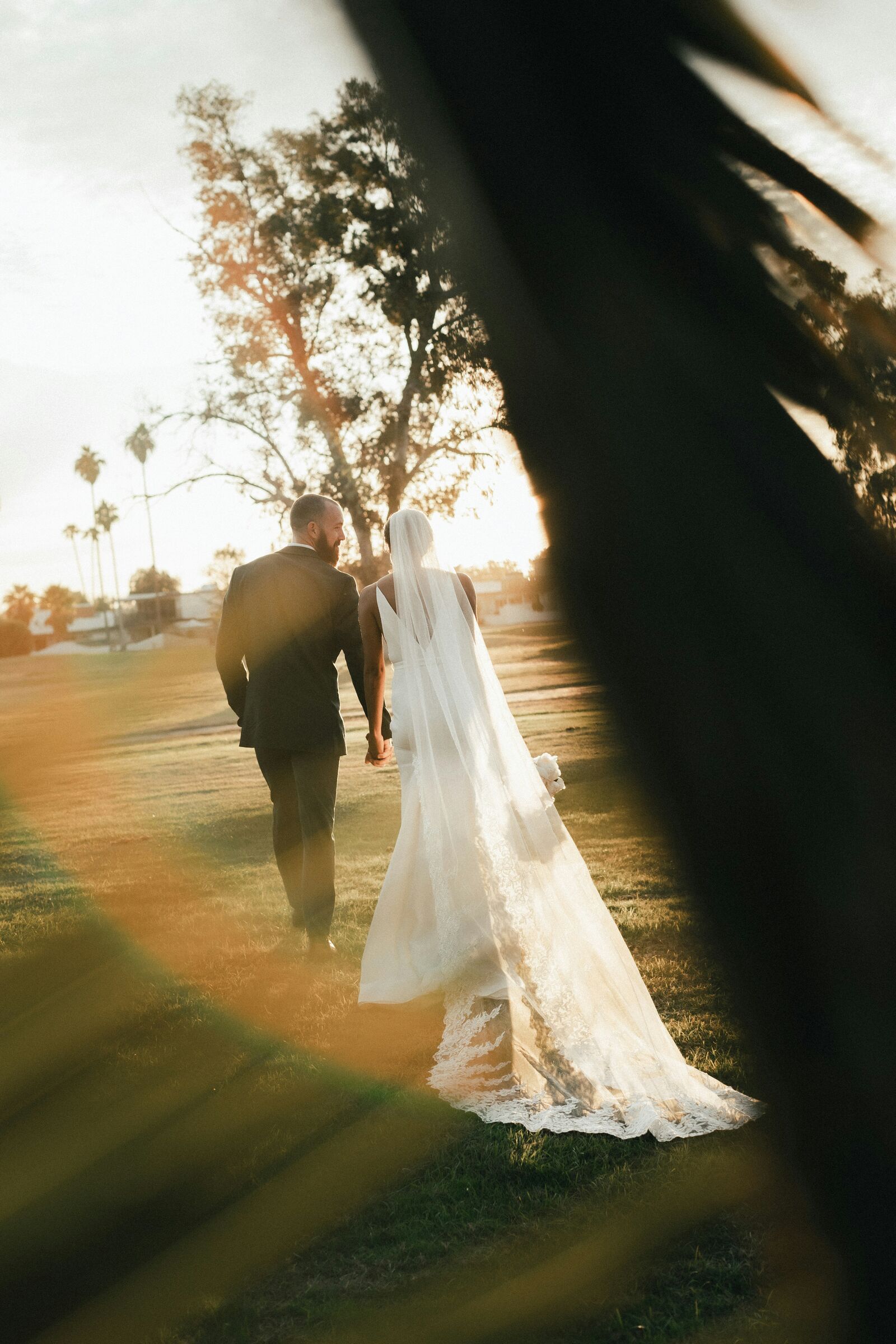
You come home with a card full of frames and owe someone a gallery. Between those two facts sits one piece of division that decides how long your week is. Here is the arithmetic from captures to delivered images, using only the ranges that are actually published, two ways to cross check a target, and how to find the number your own last season says you should be aiming at.
Start with the only ranges anyone publishes
Two figures get quoted for a full wedding day, and both come from platform data rather than research, so treat them as the shape of the market rather than a finding. A typical eight to ten hour wedding produces 2,000 to 4,000 RAW frames, and the delivered gallery is typically 400 to 800 edited images. The same self published source puts that at roughly 40 to 60 delivered photos per hour of coverage.
The per hour version is the more useful of the two, because it scales to the day you actually booked instead of assuming everyone shoots the same length wedding. Multiply it out and you get a delivery band for any contract.
| Coverage booked | At 40 delivered per hour | At 60 delivered per hour |
|---|---|---|
| 6 hours | 240 images | 360 images |
| 8 hours | 320 images | 480 images |
| 10 hours | 400 images | 600 images |
| 12 hours | 480 images | 720 images |
Arithmetic from the published per hour range, not survey data. Use it as a sanity check, not a promise.
Now notice something. The per hour arithmetic for a ten hour day lands at 400 to 600, while the flat range for a full day says 400 to 800. The two published figures do not agree, which is a fair sign of how loose all of this is. Anyone quoting you a precise industry ratio has invented the precision. What you can take from it is a band: a 200 image gallery from a ten hour day is unusually lean, and a 1,200 image gallery is unusually heavy. Both can be right. Neither is normal.
Then replace them with your own number
Published ranges are a starting position for someone with no history. You have history. Your own last five weddings will beat any industry figure, because they already contain your shooting habit, your package and your standard.
Pull the counts for your last five comparable weddings, similar coverage and team size, and fill this in once.
| Wedding | Coverage hours | Frames captured | Images delivered | Delivered per hour | Ratio |
|---|---|---|---|---|---|
| 1 | |||||
| 2 | |||||
| 3 | |||||
| 4 | |||||
| 5 |
Two columns, two different jobs. Delivered per hour is what you quote in a package and what a couple can picture. The ratio, delivered divided by captured, is the workload number: it tells you how much of what you shot has to survive for the gallery to be complete. Take the middle value of each column rather than the average, so one enormous day does not drag your baseline somewhere you cannot repeat. If you want the metric itself pulled apart, including what moves it and why comparing it to another photographer's is close to useless, that is the keep rate explained.
Do this once and the target stops being a guess. Before the cull starts, you know roughly what a finished gallery from this day should weigh, which is the difference between a decision and a drift.
Captures, candidates, finals: three numbers, not two
Most photographers track two numbers, what was on the cards and what went in the gallery, then wonder why the middle of the process feels uncontrolled. The third number between them is what makes the ratio usable.
Captures are everything on the cards, misfires included. Candidates are what survives a fast first pass: readable expression, key action, or possible story value. Finals are the edited files the couple receives.
Each rung is a different question, asked at a different speed. The first pass asks "could this ever be delivered", and it should be quick, at fit to screen, without zooming on frames you have not decided to care about yet. The second asks "which of these near identical frames is the one", and it is comparison work, best done side by side. The third asks "does this gallery tell the whole day", and it is the only one where you should be thinking about the client rather than the file.
Write your three numbers down after every wedding. If captures rose and candidates rose with them, you shot more of the same thing. If captures rose and candidates did not, conditions were against you. If candidates and finals sit almost on top of each other, your first pass is doing the final pass's job and you are making hard decisions while tired. Cull in or cull out is a related decision and it changes these counts more than people expect, which we covered in picking keepers versus rejecting misses.
Plan by chapter, not by one global percentage
A single ratio for the whole day can hide an unbalanced gallery. You can hit your usual number and still deliver a thin ceremony and a bloated dance floor, because the two chapters were averaged together on the way to one percentage.
The day is not uniform, and neither is its visual density. A twenty minute ceremony holds a run of one time actions. Forty five minutes of dinner may hold almost nothing worth delivering. Let density decide the share, not the clock.
| Chapter | Captured | Delivered | Share of gallery |
|---|---|---|---|
| Details and getting ready | |||
| First look and couple portraits | |||
| Ceremony | |||
| Family formals | |||
| Cocktail hour and room | |||
| Speeches and reception events | |||
| Dancing and exit |
Fill that in for one recent wedding you were happy with. That is your reference gallery, and it beats any percentage from the internet because you know how the couple reacted to it.
What each chapter is for
Getting ready and details establishes place and anticipation. It needs scene setters, dress and suit details, hands at work, a parent's face. It does not need every ring angle.
Portraits and family formals need careful duplicate control. Deliver a variation when the pose, background or emotion genuinely changes. Formals need clear frames with open eyes and usually one safety alternate for prints, not five near identical versions of one lineup.
Ceremony earns density because it is all one time action: entrance, vows, rings, the kiss, the recessional, and the faces of the people watching.
Reception is built from roles and distances. The room before anyone is in it, a speaker, the couple hearing it, a table laughing, the floor filling up. Not one face repeated across an evening.
Where the frames actually pile up: bursts
Everything above is planning. The ratio is won or lost here, because bursts are what turn a manageable card into an unmanageable one.
The rule that holds up: one hero frame per sequence, plus an alternate only when the alternate does a different job. A different expression, a visible reaction, a different crop, a real change in composition. Two frames with the same smile and the same hand position are not alternatives. They are a decision you have handed to the client.
- Pick the frame with the strongest expression or the peak of the gesture.
- Check that the main face or visual anchor is acceptably sharp.
- Compare backgrounds and hands for distractions.
- Keep one alternate only if it tells a different part of the action.
- Move on, and do not reopen the sequence later.
For the first kiss, a wide, a medium and one reaction from the front row all earn a place. Five mediums from the same second do not. For a speech, the speaker, the couple hearing it and the room reacting build a story. Six frames of the couple smiling do not. The mechanics of choosing between near identical frames are their own skill, and we went deeper on it in choosing the best frame from a burst. The other half of the problem is what happens before the shutter, which is the argument in safety shots versus overshooting.
Second shooters change the denominator, not the gallery
Add a second body and your capture count jumps immediately. Your delivered count should not follow it automatically, and if it does, the problem will show up in your ratio as a mystery.
What a second shooter is actually buying you is simultaneity: a parent's face during the vows while you are on the couple, a wide of the room while you shoot the processional, cocktail hour candids while you are away making portraits. That is new material and it belongs in the gallery. A second angle on a moment you already covered well is usually not.
So merge both sets into one chronological pile and select by moment rather than by photographer. If you both caught the kiss, take the stronger angle and add the second only if it shows something the first cannot. Keep combined captures and combined finals for your business planning, then review each photographer's take separately when you are thinking about training and overlap. The merge itself, clock sync included, has enough steps to deserve its own read in culling second shooter photos.
The best fix happens before the day. Brief coverage lanes: one person protects crowd and reaction frames while the other holds key action, or you split by focal length and position. That produces more genuinely distinct finals than telling two people to get plenty of options. If your captures routinely run past the top of the published band, the volume itself starts changing the job, which we worked through in culling a 5,000 frame wedding.
Work backward from the package and the gallery
Your contract should describe a delivery range, not a per hour formula. A formula invites a couple to count, and counting is the one activity that guarantees your gallery gets judged on the wrong axis. A range gives you room for a quiet day and a wild one.
Set the range from your own worksheet, then use it as a sanity check at both ends. A gallery well under your usual low mark may be thin unless the day was genuinely small. One well over the high mark may be padded. Either way the question is worth asking before you send it, not after.
There is a cost side to the upper end that is easy to forget. In a UK survey of more than 300 wedding photographers, reported by PetaPixel, editing took 55 percent of working time against 4 percent spent shooting. That survey ran in 2020, before AI tools were common, but the shape holds: every extra file you deliver is charged to the largest part of your week, twice, once when you edit it and again every time a client scrolls past it.
When a couple asks for "all the good ones", the answer is that they receive every strong, distinct image. That one word does a lot of work. It tells them nothing worthwhile is being held back, and that they will not be asked to choose between six frames of the same hug. If that conversation comes up often in your inquiries, we wrote it out properly in when a client wants all the photos.
What a tool can decide, and what it cannot
Software is genuinely good at the bottom of the ladder. Focus misses, closed eyes, exposure failures, near identical frames from one sequence: that is mechanical work, most of the volume, and the part nobody enjoys. Adobe now ships Assisted Culling in Lightroom and the dedicated apps have done this for years, so the first pass is no longer the immovable evening it used to be.
What no tool can do is tell you that the blurred frame of the bride's grandmother laughing belongs in the gallery, or that the technically perfect portrait of the wrong cousin does not. Chapter balance, emotional range and the shape of a story are judgment, and judgment is the part that decides your ratio.
Kepla is being built for that first pass, on the phone in the car and then on the Mac when the shoot needs a proper comparison, with the same shoot open on both. It picks your best shots and hands you a shortlist. It never deletes, moves or renames a file, so every frame it passed over is still there, one tap away. The iPhone, iPad and Mac apps are still in development, and the booking page is live and free today while we build.
Whatever you use, the ratio is a guardrail rather than a rule: enough frames to protect a one time moment, and a final count you can edit and deliver without losing the week. Build the gallery first. Then check the number.
FAQ
How many photos should a wedding photographer deliver?
Commonly quoted ranges put a full wedding day at 400 to 800 edited images, or roughly 40 to 60 per hour of coverage. Those figures are self published platform data rather than research, so use them as a band rather than a target. Your own median across the last five comparable weddings is a better guide, because it already accounts for your package, your genre and how you shoot.
Is 3,000 frames too many for an eight hour wedding?
No. That sits comfortably inside the commonly quoted range of 2,000 to 4,000 frames for a full day. The number itself is not the problem. Judge it by whether you can get through the selection in a reasonable evening and whether the finished gallery has variety rather than the same moment repeated. A high capture count is only expensive if it turns into duplicate review.
What delivery ratio should I put in my contract?
Put a range of images, not a ratio or a per hour formula. Take the middle values from your last five comparable weddings and set a band around them that you can hit on a quiet day and a busy one. A ratio belongs in your own records, where it helps you spot an unusual job, not in a client document where it invites counting.
Should a second shooter double the number of images delivered?
No. A second shooter roughly doubles the frames captured, but the value is simultaneous coverage, a parent's reaction during the vows or a wide of the room while you shoot the processional. Merge both sets chronologically and select by moment rather than by photographer. Add a second angle on the same moment only when it shows something the first frame cannot.
Should I give couples the unedited extras?
Only if your contract and your workflow are built for it. Unedited files sit outside the quality standard the rest of the gallery was judged against, and they usually arrive as duplicates of images the couple already has. Most couples are better served by every strong, distinct edited image in a well organized gallery than by a bigger download.
Why does my ratio change so much between weddings?
Because it is driven by coverage length, team size, light, the timeline and how much of the day was genuinely varied. A long reception with little happening lowers it. A packed, expressive day with two shooters raises it. That is why the useful comparison is your own similar weddings over a season, rather than one job against another photographer's number.
Start the cull on the drive home.
Kepla for Mac clears the obvious misses from a card, names the reason on every frame it sets aside, and leaves the choosing to you. Nothing is ever deleted, moved or renamed. Free through the private preview · the first hundred photographers keep it at $99 a year.