Pet photography culling: eyes, fur, and fifty near identical frames
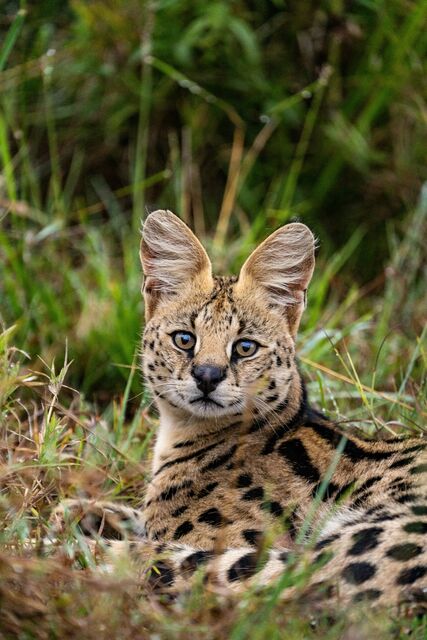
Pet sessions produce a particular kind of pile: run after run of nearly identical frames, where one has both eyes sharp and the ears in the right place. This is a workflow for finding it without spending the evening at full magnification, and for keeping the quiet portraits alongside the flying fur.
Fifty frames of the same dog, and one of them is right
A pet session ends with a card full of frames that all look like the same animal doing the same thing, except one has both eyes sharp and the ears in exactly the right place. Dogs and cats do not hold a pose while you refine a composition. A small head turn moves the catchlight. A tail changes the balance of the frame. A blink lands between two captures that are otherwise identical.
The trap is treating each file as an independent photograph. It is more useful to think in moments: the sprint, the leap, the treat facing portrait, the cuddle with the owner, the shake after the swim. Your gallery needs one or two strong pictures from each moment, not five versions of the same open mouthed run.
Volume makes that harder than it sounds. Culling is not the largest slice of anyone's week, but it is the one that arrives when you are already tired. A UK survey of more than 300 wedding photographers put culling at 11 percent of working time and editing at 55 percent. That was 2020, before any of the current tools existed, and weddings are not pet sessions, but the shape of the evening is familiar to anyone who has come home from a park with a full card.
Ten minutes at ingest saves the evening
Copy the cards to two places before anything gets reused, and confirm both copies open before the card leaves your sight. The rest of the routine is in our post shoot ingest checklist, and three details matter more than usual on a pet job.
Name the folder for the client, not the animal. A job folder like 2026-08-12_Smith_DogSession is searchable in two years when someone emails asking for the muddy running photo. A folder called Bailey is not, because you have photographed four Baileys.
Sync your camera clocks. If you shot two bodies, a wide frame from one and a close portrait from the other only sit in their real sequence if the clocks agree. When they do, duplicate moments group themselves and you can see a whole run in order instead of finding half of it three hundred frames later.
Write the promised coverage down before you review anything. A face forward portrait, a full body, an action frame, a detail, and at least one owner and pet picture. That tiny list is what stops a beautiful running sequence from crowding out the quiet portrait the client is going to print.
One second a frame, and no zooming
Run the first pass full screen at preview size. In Lightroom, flag candidates with P and reject with X only for true accidents: lens cap frames, the ground, obvious misfires, focus so far off that no context saves it. In Photo Mechanic, a color class does the same job. The question you are answering takes about a second: does this frame show a readable face, a clean pose, a genuine interaction, or a promising beat of action?
You are not choosing finals here. You are building a candidate pile, and protecting yourself from the classic mistake of rejecting a wonderful expression because you noticed a slightly soft paw first. Cues worth moving quickly on:
- Portraits: eyes visible or intentionally closed, ears and muzzle in a flattering position, no leash cutting across the face.
- Action: the animal moving into usable light, enough separation from the background, a body shape you can read rather than a tangle of legs.
- Owner and pet: both faces emotionally readable, hands relaxed, the animal not squeezed or half hidden.
- Environment: the wide frame says something about the place instead of showing a lot of empty grass.
If you hesitate for more than about two seconds, flag it and move on. Close calls belong in the comparison pass, not in the fast one.
The eye decides, and fur makes it harder
On animals the eye carries almost all of the weight, and it is also the part most likely to be hidden. Fur falls over it on doodles and sheepdogs. A dark coat gives autofocus very little contrast to lock onto, so focus quietly lands on the wet highlight of the nose instead, and a long muzzle means that error is more than enough to lose the eye. Before you judge a run, check where focus actually landed on two or three frames from it. If it is consistently on the nose, the sharpest looking frame in the burst may not be the one you want.
Catchlights matter for the same reason. On a black dog, a frame with a catchlight and one without can look like two different animals, because the catchlight is what tells the viewer there is an eye there at all. That is worth more than a small difference in sharpness.
Zoom only after you have chosen the expression winner from a run. Then check the eye nearest the camera at full magnification and ask whether the softness would read at the size you actually deliver. Blur in a tail or a paw communicates movement and is usually a feature. Blur across the eyes, muzzle or face reads as a missed shot. Where the line falls is its own subject, covered in when a soft photo is saveable.
Judge a run in this order
The order you compare in matters more than the criteria themselves, because whichever thing you look at first is the thing that decides. For a dog running toward the camera:
- Eye visibility. Both eyes, one eye, or an ear across the face.
- Body shape. A readable stride or leap, not a mid stumble tangle.
- Ear position. The single biggest change in how an animal looks between two frames a fifth of a second apart.
- Background separation. Whether the head reads against what is behind it.
- Sharpness. Last, and only among your top two or three.
A technically perfect frame with one eye behind a flapping ear usually loses to a slightly noisier frame with both eyes and a direct expression. The client responds to the dog they know, not to a chart test winner. The mechanics of setting that comparison up, side by side rather than one at a time, are in choosing the best frame from a burst, and if your camera fires fast enough to make every run enormous, high frame rate burst culling deals with the volume problem directly.
Keep one hero from each repeated action, and at most one alternate. The alternate has to earn it by being genuinely different: a wider view, a midair moment instead of a run, a change of expression. Three consecutive frames of the same stride make a gallery feel padded even when all three are sharp.
Cats, dark coats, and the animal's normal face
The most common craft mistake is applying a human portrait standard to an animal. A dog looking slightly away can be wonderful if the ears, coat and mood are right. A cat with half closed eyes reads as relaxed and trusting, not sleepy, because a slow blink is what a comfortable cat does. Learn the individual animal's normal expression during the session so that you recognize it later on the screen.
Read the body language too, because the owner will. Ears pinned flat, a hard stare, the whites of the eyes showing at the side, repeated lip licking: those frames can be technically excellent and still feel wrong to someone who knows dogs. A relaxed open mouth and soft eyes are worth choosing over a sharper frame of a tense animal.
Cats give you a different pass entirely. They rarely run at you on cue, so instead of long runs you get long stretches of stillness broken by one sudden movement. There are fewer frames to compare and more of them are worth looking at, which changes the pacing but not the order of judgment.
Two or more animals in the frame turn this into a group photo problem, where each extra subject multiplies the ways a frame can fail. The approach in culling group photos where someone always blinks transfers almost intact.
The mix that makes a gallery feel complete
After the action pass, filter your candidates by scene and check the gallery against a spread rather than a count. This is a diagnostic, not a formula.
| Moment | What you are picking for | How many |
|---|---|---|
| Face forward portrait | Catchlights, ears and muzzle flattering, no leash across the face | One or two |
| Full body | Build and coat readable, clean footing, no cropped paws | One or two |
| Action | Eyes readable, separation from the background, a stride you can read | One hero per run |
| Detail | Paws, nose, collar, whiskers, a distinctive marking | A few across the session |
| Owner and pet | Both faces readable, hands relaxed, real contact | One or two per setup |
| Scene setter | The park, the beach, the living room floor, saying where this was | One per location |
| Personality | Tongue out, head tilt, post swim shake, side eye | Keep the true one, imperfect or not |
If you have fourteen running shots and no calm portrait, go back to the contact sheet before you start editing, because a subtle frame was almost certainly passed over at speed. If the session was deliberately action only, let an environmental frame and a detail give the sequence somewhere to breathe.
On how many images to hand over in total, resist picking a number and then filling it with near duplicates. Match the count to what you promised and to the variety you actually created. We work through the ranges by genre in photos delivered per hour of coverage. Pet owners tend to value small behavioral moments that would never survive in a commercial animal portfolio, so a slightly smaller, truer gallery usually lands better than a padded one.
What automatic selection can and cannot judge on an animal
Automatic tools are genuinely useful on the first pass here, because the first pass is mostly mechanical. It is worth knowing what they were built for. Adobe's Assisted Culling in Lightroom scores subject focus, eye focus and eyes open, and rejects exposure problems and misfires, and Adobe describes it as optimized for portraits and headshots. Imagen's culling detects blur, closed eyes and blinks, and uses face recognition to group subjects and duplicates. Both descriptions have the word face in them, and they mean human faces.
So expect the mechanical calls to be reasonable and the interpretive ones to be yours. Nothing in that list knows whether the ears are in the position that makes this particular dog look like himself, whether a half closed eye is a blink or a slow blink, or whether the head tilt is the one that makes the owner laugh. Those are the categories of frame machines reliably get wrong, which we set out in what AI culling misses.
Where Kepla fits
Our picking app for iPhone, iPad and Mac is still being built, so this is how we are designing it rather than a feature you can use tonight. It picks, it never deletes, moves or renames anything, and every frame it did not pick stays one tap away. That matters most on a pet session, because the technically imperfect personality frame is often the one the owner buys, and it should never be harder to reach than the sharp one. The booking page is live and free today.
Used that way, a first pass narrows the pile and the taste stays with you. That is the right split of labor for a genre where the best picture of the day is quite often the one with a bit of mud on the lens.
FAQ
How many photos should I deliver from a one hour pet session?
There is no universal number. Match it to the package you sold and to the variety you actually created, then stop. A gallery built from one strong frame per moment, with portraits, action, details and owner pictures represented, reads as generous. A gallery padded with three versions of the same stride to reach a promised number reads as filler, and clients notice.
Should I keep pet photos with motion blur?
Keep them when the eyes and face stay readable and the blur supports the feeling of movement, which is often true of a blurred tail, paws or grass. Set them aside when the blur runs across the face, because that reads as a missed shot rather than an intentional one. Judge it at the size you actually deliver, not at full magnification.
Is Lightroom or Photo Mechanic better for pet culling?
Photo Mechanic is very quick on high volume action work because it reads the previews already embedded in your files instead of building its own. Lightroom Classic is more convenient when you want ratings, collections and editing in one catalog. The better tool is whichever one lets you make a first pass decision without waiting for an image to appear.
How do you cull photos of a black dog?
Look for a catchlight first, since it is what tells the viewer where the eye is. Then check where focus actually landed, because a dark coat gives autofocus little contrast and it often locks onto the nose instead. Judge these frames at a sensible viewing size. A black coat can look flat in a small thumbnail and be perfectly good full size.
How do I choose between fifty nearly identical frames?
Compare them as a group rather than one after another, and judge in a fixed order: eye visibility, body shape, ear position, background separation, then sharpness. Pick one hero, and allow one alternate only if it is genuinely different, such as a wider view or a change of expression. Then close the run and move to the next moment.
Can AI pick the best pet photo for me?
It can narrow the pile fast, since blur, blinks and near duplicates are mechanical problems. It cannot tell you which head tilt belongs to this animal, or which frame the owner will cry at. Most tools in this category describe themselves as tuned for human portraits, so treat their output as a shortlist to review rather than a finished selection.
Pick the run in the car, not at midnight.
Kepla for Mac clears the obvious misses from a card, names the reason on every frame it sets aside, and leaves the choosing to you. Nothing is ever deleted, moved or renamed. Free through the private preview · the first hundred photographers keep it at $99 a year.