How many sneak peeks to send, and how soon
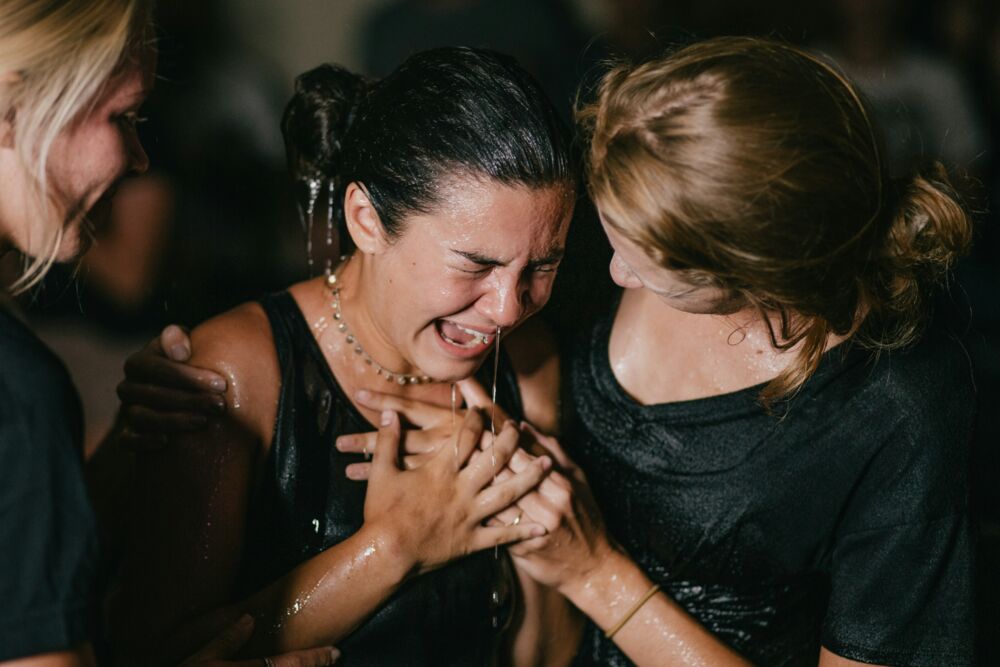
Too few and the couple feels forgotten after a year of planning. Too many and you have built a second gallery that arrives before the real one and takes the shine off it. Here is a starting range by coverage length, the four costs each extra image adds, and how to choose a delivery window you can still keep in the middle of August.
Decide what the set is for before you pick a number
Send four images and the couple can feel forgotten after a year of planning. Send eighty and you have quietly built a second gallery, with second gallery editing decisions attached, which arrives before the real one and takes the shine off it.
The number is easier to settle once you say out loud what the set is for. A sneak peek is a short, finished selection that gives the couple something to hold while the full gallery is still being made. It is not evidence that the work is nearly done, it is not a representative sample, and it is not a first installment. It has one job: proof the day looked the way they hoped it did.
Once that is the job, most of the count question answers itself. You need enough frames to cover the arc of the day and enough restraint that the full gallery still contains discoveries. Everything past that point is work you are doing for free, before the work you have already been paid for.
There is a second question hiding inside the first one, and it usually matters more: when. A set of twelve that lands the next morning does more for a couple than thirty that arrive on Thursday, and the two decisions are linked, because the number you promise sets the window you can keep.
A starting range, by length of coverage
There is no correct number, and any figure you copy from another photographer is sized for their editing style and their gallery. What follows is a set of starting points, not data. Treat them as somewhere to begin arguing with yourself.
| Coverage | Useful preview range | Why |
|---|---|---|
| Elopement or courthouse | 8 to 15 | The story is compact and a small set can cover all of it |
| Six hour wedding | 15 to 20 | Room for ceremony, portraits and the start of the party |
| Eight to ten hour wedding | 20 to 30 | Adds getting ready, family reactions and the reception |
| Multi-day or cultural celebration | 25 to 40, split by day | One set covering three days pleases nobody |
Two things shift those ranges. The first is what you deliver at the end. A documentary photographer handing over a thousand images can send thirty previews without denting the reveal. If your finished gallery is a tightly edited four hundred, twelve to eighteen previews is proportionate and thirty is not, because a preview should be a fraction of the gallery rather than a preview of most of it. Work out your ratio from the gallery you actually deliver, not from the one you wish you delivered.
The second is when you are sending. A same-day set built during the reception can only contain the part of the day that has happened, which is why ten to fifteen is the practical range for a preview sent before the reception ends. Wait until the following morning and the toasts, the dancing and the exit exist, so twenty is the number that fits, as in the next-morning workflow.
What each extra image costs you
Photographers usually think about the count as generosity, so it helps to see it as a bill. Every image you add past the point where the story is covered charges you four times.
- A selection decision. Not one choice but several: which frame from the burst, whether it repeats something already in the set, whether it belongs before or after the frame next to it.
- An edit. At your normal standard, because the preview sets the expectation for the gallery. Nobody makes their thirty fifth preview edit as carefully as their fifth.
- A risk. A larger set is a larger surface for a frame you would have cut later, a duplicate pose, a white balance that jumps, an expression you missed at speed.
- A precedent. Do it once and the preview is now that size for every couple who saw a friend's. Scope you gave away quietly is hard to take back politely.
None of those costs land on the wedding day. They land on the week after it, which is also the week you were supposed to start the actual gallery. A preview that swallows a Monday is not free, it is borrowed from a delivery date you already promised.
There is a quieter cost too. Once the preview covers most of the good moments, the full gallery is no longer a reveal, it is an archive. You have moved your best work from a moment you controlled to a moment you rushed. If the pattern of sending more and more sounds familiar, the wider version of that problem is in stop over-delivering photos.
Why a bigger set does not feel more generous
The instinct is that more images means more value. Research on choice suggests the relationship is not that simple. The classic work here is Iyengar and Lepper's jam study, where shoppers offered a large assortment were less likely to buy than shoppers offered a small one, and Barry Schwartz's argument in The Paradox of Choice that more options raise the odds of regret rather than satisfaction. Some of the surrounding literature is debated, so treat it as a direction rather than a law.
The direction is enough to be useful. A small, deliberate set asks the viewer to look at each image. A large one asks them to sort. Sorting is work, and it is the work you were hired to do on their behalf.
I am not going to tell you what your couples do with their previews, because I have not measured it and neither has anyone who quotes a number at you. You can measure it yourself, though, without much effort. Send fifteen after one wedding and thirty after the next, and pay attention to which reply comes back faster and which one names a specific photograph. That is your data, gathered on your own clients, and it beats mine.
The same logic applies to the set's shape rather than only its size. Twenty frames that all show two people in the same spot in the same light is a smaller set than twelve that move through the day, no matter what the count says. Building a set with an arc is covered in wedding gallery emotional range.
The timing matters more than the number
If you can only get one of these two decisions right, get the timing right. A preview is a piece of timing wearing the costume of a delivery, and its value drops fast as the day it describes recedes.
There are four honest windows and each buys something different. During the reception, which is the most impressive and the most fragile, and needs a plan for the half hour you disappear. The next morning, which is the best trade most weeks: rested judgement, finished backup, the whole day available. Within 48 hours, which is the promise most photographers can keep in August as well as in November. And within a week, which is fine if you say a week, and is a disappointment if you said soon.
The word to avoid is soon. Say soon and the couple picks a meaning, usually the most generous one, and then you are late against a deadline you never agreed to. A number with a window attached costs you nothing and prevents most sneak peek problems: approximately twenty edited previews within 48 hours, full gallery by the date in the contract.
Pick the window from your actual life rather than from what sounds impressive. Card ingest and a verified second copy come first, always. If the wedding is four hours from home, or it is your third of the week, or you have a shoot on Sunday, then 48 hours is the honest answer and same night is a promise you will pay for. Whether a faster promise should carry a price is worth thinking through separately, and charging for fast turnaround makes that case.
Put the number and the window in writing
Every argument about a sneak peek is really an argument about an expectation nobody wrote down. So write it down in the two places the couple actually reads: the collection description they saw before booking, and the welcome guide they get after.
Three things make the sentence work. The word approximately, so eighteen or twenty two is not a broken promise. A named window rather than a vague adverb. And the phrase selected by the photographer, which protects the one thing that makes a preview good, which is that somebody chose.
Add a condition when the promise is aggressive. Same-day previews depend on a break in the timeline and on the venue having internet that works with two hundred guests on it, and saying so in advance turns a failure into a known risk. The contract wording, including what happens when the condition is not met, is in the sneak peek clause worth adding. That is a writing guide rather than legal advice, so have your own lawyer look at anything you paste into a contract.
One more line is worth agreeing early: who may post first. A couple usually wants to be the ones to announce their own wedding, and vendors want to share their work the same week. Ask at the planning call rather than deciding for them at eight in the morning.
When they ask for more, and how the set creeps
Scope creep in a preview is almost never one big decision. You send twenty. A parent asks whether there are any more of the ceremony. You add six. The couple asks for a black and white of one. You make four. By the third wedding your preview is a forty image set with a variants request attached, and the full gallery is a week later than it used to be.
The kind answer is a small yes with a date on it. Something like: there are more of the ceremony and they are all in the full gallery, which is coming on the fourteenth. That is not a refusal, it is a redirect to the thing you have already made and been paid for. Photographers who deliver a strong preview and then hold the line are not the ones getting complaints. Speed is a real advantage in this business, and the case for it is in whether fast galleries win referrals.
The other creep is internal, and it is worse. Sending more means selecting more, which means the preview stops being twenty minutes of judgement and becomes the first half of the real cull, done badly, on no sleep.
Where Kepla fits, stated plainly
Deciding the number is judgement and no software helps with it. Finding the candidates is a search problem, and that is the part Kepla is being built for: it picks your best shots and hands you a shortlist to approve, and it never deletes, moves or renames anything, so every frame it did not pick is still there when you want a different one. Straight status: the picking app for iPhone, iPad and Mac is still being built. What is live today is our free booking page, which holds dates and takes deposits while we build the rest.
FAQ
How many sneak peeks should I send after a wedding?
For a full day of coverage, somewhere between fifteen and thirty works for most photographers, with twenty a common landing spot. Size it against your finished gallery rather than against another photographer: a preview should read as a small fraction of what is coming. Shorter coverage takes fewer, and an elopement can be complete at eight to twelve images.
Is ten sneak peeks too few?
Not if the event was small or your work is tightly curated. Ten can feel generous when it includes a real portrait, ceremony emotion and one celebration frame, because a set feels complete through range rather than volume. The problem is never the number by itself, it is a number the couple was not expecting. Say it before they book.
Is it ever okay to send fifty sneak peeks?
It can make sense for a multi-day celebration split into separate sets, or a package built around a larger early delivery that you priced accordingly. As a standard preview it is usually too many. At fifty you are making enough selection and editing decisions to slow the full gallery, and the couple experiences the result as an incomplete gallery rather than a preview.
How soon should wedding sneak peeks be delivered?
Within 48 hours is fast enough to feel current and slow enough to allow a verified backup and a rested edit. The next morning is the sweet spot for many photographers. Same day is possible with a plan, though it means stepping away from the party. Whatever you choose, name a window rather than saying soon, because the couple will fill in a meaning you did not intend.
Should every package include a sneak peek?
Only if you can deliver one during your busiest month, not just in October. You have three workable options: a small preview in every collection, a larger or faster set reserved for premium packages, or a paid add-on. All three are honest. A promise you keep in the middle of wedding season is worth more than a generous one you miss.
Can I post sneak peeks on my own social media before the couple sees them?
Ask first, and ideally settle it at the planning call. Most couples want to announce their own wedding, and some have family reasons for waiting. Sending the link first, then posting a day later with their blessing, costs you nothing and avoids the one message you never want to receive. Vendor sharing is worth agreeing at the same time.
Send twenty without spending a Sunday.
Kepla for Mac clears the obvious misses from a card, names the reason on every frame it sets aside, and leaves the choosing to you. Nothing is ever deleted, moved or renamed. Free through the private preview · the first hundred photographers keep it at $99 a year.