Client questionnaires: ten questions that prevent ninety percent of problems
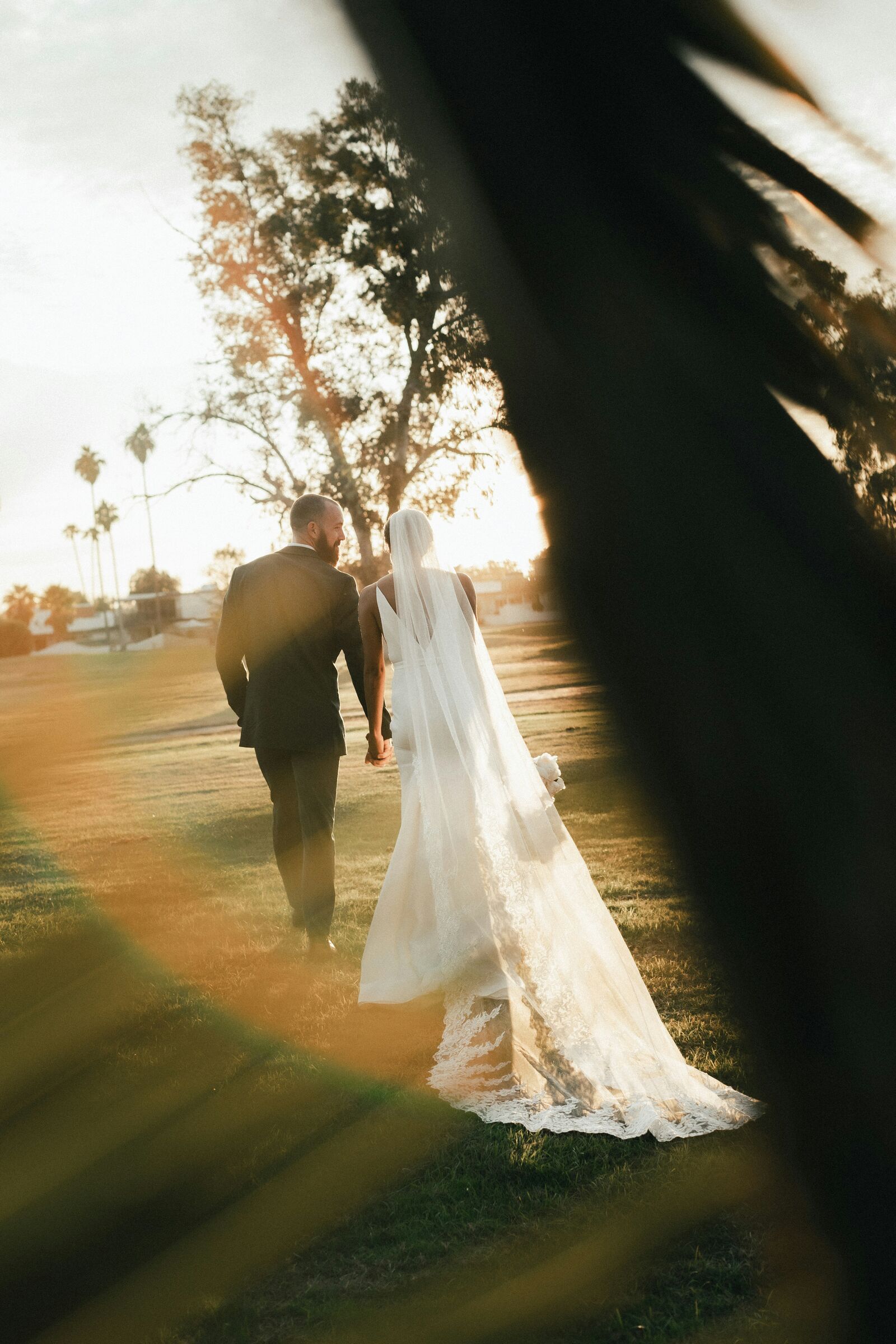
Picture the shoot-day problems you've actually had: the stepdad nobody warned you about, the toddler who naps at exactly your golden hour, the couple who wanted candids while you delivered poses. None of those were photography failures. They were information failures, and every one of them was preventable by a form the client would happily have filled out weeks earlier. Here is that form.
The core questionnaire (works across genres)
Adapt wording per genre, but these ten do the heavy lifting for weddings, families, and brand shoots alike:
- Who will be photographed, by name, and how do they relate to each other? Names turn you from a stranger with a camera into someone who greets their kids like a family friend. Relationships surface the delicate stuff (divorced parents, estranged siblings) before it surfaces at the shoot.
- What are the three photos you'd be heartbroken not to have? This is the whole shoot in one question. Three, not thirty, forcing rank forces honesty about what actually matters.
- Is there anything sensitive I should know about? Recent losses, mobility limits, a parent who "hates being photographed," family tension. The question that saves you from cheerfully asking about someone who passed away last spring.
- How do you feel about being in front of a camera? Confident clients need direction; nervous ones need warm-up time built into the plan. Knowing which you're getting changes how you open the session.
- Where will we be shooting, and have you been there before? Venue, backup location for weather, parking, permits, and whether they have emotional ties to the spot worth featuring.
- What's the hard timing on the day? Nap windows, ceremony start, sunset dinner reservations, a grandparent who can only stay an hour. Your schedule is built around these constraints, not around hope.
- What will everyone be wearing? Outfits reveal formality level, clashing-color risks, and whether anyone needs your what-to-wear guidance before it's too late to change plans.
- Which images made you book me specifically? Their answer tells you which version of your style they bought, moody backlit portraits or bright candid chaos, so you deliver the portfolio they hired, not the one you're currently experimenting with.
- How will you primarily use these photos? Prints over the fireplace, a website rebrand, holiday cards, Instagram. Usage drives orientation, crops, negative space for text, and what to upsell later.
- Is there anything you don't want? Poses they hate, angles they're self-conscious about, relatives who mustn't be in formal groupings, photos that shouldn't appear on social media. The anti-shot-list prevents your most confident work from becoming your worst mistake.
Genre add-ons: weddings get the family-formals list and vendor contacts (feeding straight into the timeline template); families add ages of children (posing and patience strategy); brand shoots add brand colors, existing visual guidelines, and where the images will live.
When to send what
| Moment | What you send | Why then |
|---|---|---|
| Booking confirmed | The full questionnaire | Enthusiasm is at its peak; completion rates follow enthusiasm |
| 2 weeks out | Automated reminder + "anything changed?" | Catches new venues, new outfits, new family developments |
| 48 hours out | Logistics recap built from their answers | Confirms time, place, and plan, using their words back at them |
| After delivery | A short feedback form | Reviews and referrals, captured at the emotional peak |
The pattern to notice: the questionnaire isn't a document, it's a sequence, and the sequence is what makes clients feel professionally cared for before you've taken a single frame. That feeling is the foundation of the referral engine described in the client experience guide.
Two delivery details that quietly decide your completion rate: make the form mobile-friendly (most clients will fill it out on a phone during a commute), and never ask for information you already have from booking. Every field a client re-types is a reason to abandon the form, and an abandoned questionnaire protects nobody.
Answers become shot lists, timelines, and a smaller cull
A questionnaire only earns its place if the answers go somewhere. Route each one deliberately: question 2 becomes the top of your shot list; question 6 becomes the skeleton of the schedule; questions 1 and 3 become your on-site briefing notes; question 8 calibrates your editing choices before you shoot a frame.
And there's a quieter payoff downstream. Photographers over-shoot when they're uncertain. Uncertainty is where spray-and-pray comes from. When you know the groupings, the priorities, and the constraints, you shoot with intent, and a more intentional take means meaningfully fewer frames to face later. Given that culling and editing dominate the post-shoot week for most working photographers, prevention at the questionnaire stage is one of the few workflow wins that costs nothing (see the full 12-step workflow for where it slots in).
Automate the asking, never the reading
The send-remind-recap sequence should run itself: attach the questionnaire to your booking confirmation, schedule the reminder, template the recap (the email templates post has ready-to-adapt wording, and a booking page gives the sequence a clean starting trigger). But block ten minutes the week of every shoot to actually re-read the answers, with the same names-and-priorities attention you'd give a shot list. An automated form nobody reads is worse than no form: the client told you about the stepdad, and you asked about him anyway. Automation earns you the reading time; it can't do the reading.
FAQ
When should I send a client questionnaire?
Send it right after booking is confirmed, with a gentle automated reminder two weeks before the shoot for anything unanswered. Sending at booking catches clients at peak enthusiasm; the pre-shoot reminder catches changes: new venue, new family situation, new must-have shot.
How long should a photography questionnaire be?
Around ten questions: long enough to surface names, priorities, and sensitivities, short enough that clients finish it in one sitting. Completion beats thoroughness: a half-finished twenty-question form tells you less than a completed ten-question one.
Should the questionnaire be part of the contract?
Keep them separate documents with linked jobs: the contract sets legal expectations (deliverables, reschedules, payment), while the questionnaire gathers creative and logistical detail. But let them reference each other: if the questionnaire promises a must-have shot list, your contract should say how that list is used and capped.
Do questionnaires really reduce editing and culling time?
Indirectly but noticeably. Knowing names, group combinations, and the client's true priorities means fewer defensive bursts and fewer just-in-case frames. You shoot with intent. A tighter take going into culling means fewer near-duplicates to agonize over and a faster path to the gallery.
Never cull alone at 1 AM again.
Kepla for Mac clears the obvious misses from a card, names the reason on every frame it sets aside, and leaves the choosing to you. Nothing is ever deleted, moved or renamed. Free through the private preview · the first hundred photographers keep it at $99 a year.